

There’s a strange kind of calm that comes with watching rain fall — until it starts falling where it shouldn’t. You notice water pooling near the foundation, dripping over the edges of clogged gutters, or splashing against siding. Suddenly, that peaceful rainfall feels less poetic and more… worrying.
Most homeowners don’t spend much time thinking about where rainwater goes after it hits the roof. It just disappears, right? But the truth is, how water moves around a home can make the difference between a structure that lasts decades and one that slowly develops hidden damage.
Managing water isn’t glamorous. It doesn’t get the attention that kitchens or landscaping do. Yet it plays one of the most critical roles in preserving a home’s long-term stability.
Why Water Is Both Friend and Foe
Water is essential to life, but when it interacts with buildings in the wrong way, it becomes surprisingly destructive.
It can seep into cracks, weaken foundations, warp wood, and create the perfect environment for mold growth. Over time, even small amounts of uncontrolled water can cause major structural issues.
This is why homeowners often invest in reliable water drainage solutions that guide rain safely away from vulnerable areas. Proper drainage systems don’t just move water — they redirect it strategically, protecting soil, foundations, and landscaping.
The goal is simple: water should always flow away from the home, never toward it.
The Overlooked Role of Gutters
Gutters may not be visually exciting, but they’re essential to effective drainage. They act as channels, collecting rainwater from the roof and directing it toward downspouts.
Without gutters, water would pour directly off roof edges, eroding soil, damaging siding, and increasing the risk of foundation issues.
But gutters only work when they’re clear and functional. Leaves, debris, and dirt can quickly block water flow, causing overflow and stagnation.
That’s why consistent gutter maintenance is so important. Regular cleaning and inspections help ensure gutters continue to perform their role effectively.
Many homeowners are surprised at how quickly debris accumulates, especially during autumn months. Neglecting maintenance for even a single season can lead to unexpected damage.
Foundation Protection Starts at the Roofline
It might sound counterintuitive, but protecting a home’s foundation often begins at the roof.
When rainwater is properly directed through gutters and downspouts, it’s carried safely away from the base of the home. This prevents soil saturation, which can lead to shifting foundations and basement leaks.
Improper drainage, on the other hand, allows water to pool near the foundation. Over time, this can create cracks and structural instability.
Effective drainage systems act as a first line of defense, ensuring that water never lingers where it can cause harm.
The Bigger Picture of Exterior Care
Managing water isn’t just about preventing leaks — it’s part of broader home exterior protection.
Water exposure can damage siding, roofing materials, and paint finishes. It can also weaken wooden components like fascia boards and soffits.
A well-designed drainage system helps preserve these elements, extending their lifespan and reducing repair costs.
Many homeowners discover that investing in proper drainage saves significant money over time by preventing expensive structural repairs.
Seasonal Changes and Their Impact
Different seasons bring different drainage challenges.
Spring often introduces heavy rainfall, testing the capacity of gutters and downspouts. Summer storms can overwhelm drainage systems with sudden downpours. Autumn brings falling leaves that clog gutters, while winter introduces ice buildup that can block water flow.
Understanding these seasonal patterns helps homeowners prepare and maintain their systems accordingly.
Routine inspections before and after major weather changes can prevent small issues from becoming serious problems.
Modern Innovations in Drainage Systems
Advancements in materials and design have made drainage systems more efficient than ever.
Seamless gutters reduce the risk of leaks. Gutter guards help minimize debris accumulation. Advanced downspout designs improve water flow direction.
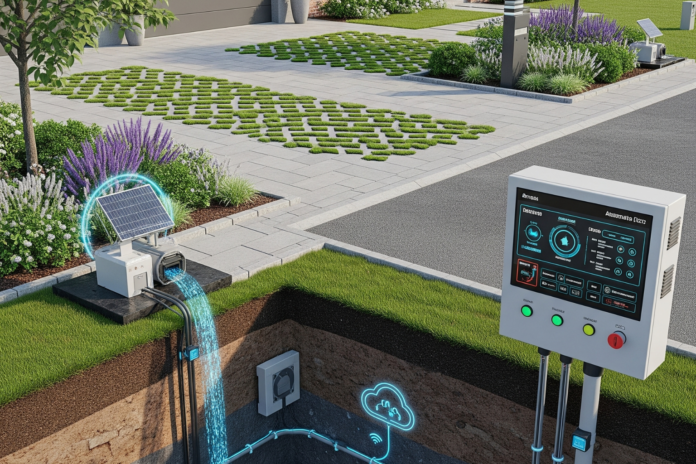
Some homeowners even install underground drainage systems to carry water further away from foundations.
These innovations provide long-term reliability while reducing maintenance requirements.
The Emotional Side of Prevention
It’s interesting how peace of mind often comes from things we rarely see.
A well-functioning drainage system doesn’t demand attention. It quietly does its job, ensuring that rainwater flows safely away from the home.
Homeowners often feel a subtle sense of security knowing their property is protected — especially during heavy storms.
It’s a reminder that prevention isn’t always visible, but its impact is deeply felt.
Long-Term Value for Homeowners
Investing in drainage systems and maintenance isn’t just about avoiding damage — it also enhances property value.
Potential buyers recognize the importance of well-maintained exteriors. Proper drainage systems signal that a home has been cared for responsibly.
This can improve resale value and reduce concerns during inspections.
A Quiet Guardian of Structural Health
At the end of the day, managing water around a home is about balance. Rainfall is inevitable, but damage doesn’t have to be.
With thoughtful drainage systems, regular maintenance, and proper planning, homeowners can ensure water flows where it should — away from walls, foundations, and living spaces.
And perhaps that’s the beauty of it. The most effective protection is often the kind you never have to notice.
When water has somewhere to go, a home remains safe, strong, and ready to withstand whatever the next storm brings.

