Category: Home Services

  • Why Aqua Soft Refined Water Feels Like a Better Approach to Water Treatment

    Why Aqua Soft Refined Water Feels Like a Better Approach to Water Treatment

    Choosing a water treatment company isn’t always as simple as picking the first name that appears online. Homeowners want clean, comfortable water, but they also want honest advice, dependable equipment, and service that doesn’t disappear after installation. That’s where the right provider can make a real difference.

    For homeowners comparing their options, asking why choose Aqua Soft Refined Water starts with looking beyond a single product. Water quality is personal. One household may struggle with hard water and scale, while another may be more concerned about taste, odor, or filtration. A thoughtful approach begins by understanding those differences.

    It Starts With Your Water

    There isn’t really a one-size-fits-all answer when it comes to household water treatment. Water conditions can vary between properties, and the needs of a small family may be very different from those of a larger household.

    A proper evaluation can help identify what’s happening in the water before equipment is recommended. This makes the process more practical. Instead of buying a system because it’s popular or heavily advertised, homeowners can choose treatment based on actual conditions.

    That little bit of homework can save money and frustration later.

    Understanding Hard Water Problems

    Hard water is one of the most common reasons homeowners start looking into treatment. Calcium and magnesium can create mineral deposits that gradually build up on faucets, showerheads, appliances, and other surfaces.

    You might notice cloudy spots on glasses or a chalky ring around the kitchen faucet. Maybe the shower door never seems completely clean, no matter how much you scrub it.

    Over time, these small annoyances can become a regular part of household maintenance. Water softening can help address hardness and reduce the mineral buildup associated with it.

    What Sets a Good Water Treatment Provider Apart?

    Equipment matters, but service matters too. A technically impressive system isn’t very helpful if homeowners don’t understand how to operate or maintain it.

    So, what sets Aqua Soft apart is worth considering from a broader perspective. Look for a company that takes time to listen, explains available treatment choices, and doesn’t make the homeowner feel rushed into a decision.

    Good service should feel more like a conversation than a sales pitch. You should be able to ask basic questions without feeling as though you’re wasting someone’s time.

    Testing Before Treating

    One of the smartest things a homeowner can do is test the water before deciding on treatment equipment. A water test can reveal characteristics that aren’t obvious from appearance alone.

    Clear water can still contain hardness minerals or other substances that affect taste, odor, scale, or household appliances.

    Testing gives homeowners a starting point. Once the results are understood, a professional can discuss whether filtration, softening, or another treatment method is appropriate.

    Sometimes the best recommendation is simpler than you expected. That’s a good thing.

    Choosing Equipment for Real-Life Use

    A water treatment system needs to fit the household using it. Family size, daily water consumption, water hardness, plumbing configuration, available space, and maintenance preferences can all influence the right choice.

    A system that’s too small may struggle to keep up with demand. One that’s unnecessarily large may cost more than needed.

    This is why homeowners should ask questions about capacity, regeneration, filter replacement, salt or media requirements, warranties, and service support. Understanding these details before installation makes ownership much easier.

    The Importance of Professional Installation

    Installing water treatment equipment isn’t simply a matter of connecting a few pipes. The system needs to be integrated properly with the home’s plumbing.

    Installation may involve drainage requirements, bypass valves, water pressure considerations, and placement of the equipment. Poor installation can affect performance even when the equipment itself is perfectly capable.

    Professional installation also provides an opportunity to learn the basics. Homeowners should leave knowing how their system works and what routine maintenance it requires.

    Maintenance Shouldn’t Be an Afterthought

    Every water treatment system needs some level of care. Filters eventually need replacement. Softening systems may require salt or other routine attention. Mechanical components can also need inspection as equipment gets older.

    The good news is that routine maintenance is usually manageable when homeowners know what to watch for.

    Pay attention to changes in water taste, pressure, odor, or mineral buildup. If something seems different, don’t simply assume it’s temporary. A small issue can sometimes be resolved quickly when caught early.

    Why Local Homeowners Value Trust

    Water treatment is a long-term decision, and trust naturally becomes part of that decision. Homeowners are allowing a company to work with an important part of their house — the water they drink, cook with, bathe in, and use every day.

    That’s why it’s useful to learn why homeowners trust Aqua Soft by looking at the overall customer experience. Clear communication, reasonable recommendations, responsive service, and dependable follow-through all matter.

    Trust isn’t created by one advertisement. It’s built through consistent experiences over time.

    A More Comfortable Home Starts With Better Water

    The benefits of water treatment aren’t always dramatic or flashy. Often, they’re the little things you notice gradually.

    Fewer mineral spots on fixtures. Cleaner-looking dishes. Less scale around faucets. A shower that feels different. Appliances that aren’t constantly dealing with the effects of hard water.

    These improvements can make everyday household tasks a little easier, which is often what homeowners really want.

    Making a Decision You Feel Good About

    Choosing a water treatment provider doesn’t have to be complicated. Start by understanding your water, identify the problems that matter most to your household, and compare solutions based on those needs.

    A reputable provider should be willing to explain the process without burying you in technical language. You should know what you’re getting, why you need it, and what it will take to keep the system working properly.

    In the end, better water isn’t just about equipment. It’s about having a solution that fits your home and a service team you feel comfortable relying on. When those two pieces come together, water treatment becomes less of a chore and more of a quiet improvement you appreciate every day.
  • Residential Water Solutions That Make Everyday Water Quality Easier to Manage

    Residential Water Solutions That Make Everyday Water Quality Easier to Manage

    Water is one of those things most people only notice when something feels off. A glass might taste strange, the showerhead may develop a chalky coating, or freshly washed dishes can come out covered in spots. None of these issues necessarily mean there is a serious problem, but they are reminders that household water quality deserves a little attention.

    The good news is that improving water at home doesn’t have to be complicated. With the right information and a treatment approach suited to the property, homeowners can make everyday water use more comfortable and manageable.

    Every Home Has Different Water Needs

    There isn’t a single water treatment setup that works perfectly for every household. A family using municipal water may have different concerns from someone relying on a private well. Older plumbing can also affect water quality, while local geology can influence hardness and mineral levels.

    That’s why residential water solutions should be based on the actual needs of the household rather than simply choosing the most expensive equipment available.

    A small apartment, a large family home, and a property with well water can all require very different approaches. Understanding that from the beginning makes the entire process much easier.

    Start With Testing Instead of Guessing

    It’s easy to make assumptions about water based on how it looks or tastes. But some substances cannot be detected by sight, smell, or taste. Testing gives homeowners a much clearer starting point.

    A proper water testing & lab analysis can identify specific characteristics and contaminants that may require attention. Depending on the test, this might include hardness, minerals, bacteria, or other substances.

    Testing is especially useful before purchasing a treatment system. Otherwise, homeowners can end up spending money on equipment that doesn’t address their actual water-quality concerns. Nobody wants a fancy machine sitting in the basement while the original problem remains untouched.

    Hard Water Can Affect More Than You Think

    Hard water is one of the most common household water concerns. It contains minerals such as calcium and magnesium, which can leave scale on faucets, showerheads, appliances, and plumbing components.

    You may notice a white crust around the kitchen tap or find yourself scrubbing the shower more often than you’d like. Laundry can sometimes feel different too, particularly when mineral deposits build up over time.

    Water softening can help address these hardness-related concerns. The appropriate system depends on the severity of the problem and the needs of the home.

    Drinking Water Deserves Special Consideration

    Even when household water meets applicable quality requirements, some homeowners prefer additional filtration for drinking and cooking. Taste is often a major reason. Chlorine, minerals, or other characteristics can make tap water less appealing, and filtered water may encourage people to drink more of it.

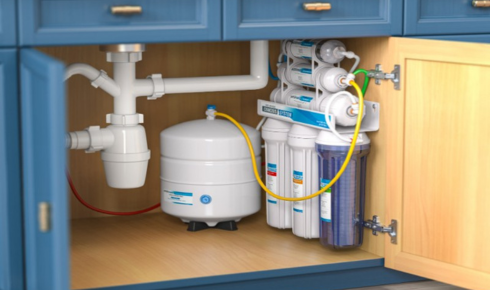
    Point-of-use filtration can be installed where drinking water is needed most, such as at the kitchen sink. Depending on the technology, different systems are designed to reduce different substances.

    The important thing is to understand what a filter is actually designed to remove. Marketing language can sound impressive, but specifications and certifications tell a much more useful story.

    Smart Technology Is Changing Water Management

    Home technology has moved well beyond smart thermostats and security cameras. Water management is becoming smarter too.

    Systems such as DROP Smart Home Water Management can give homeowners more insight into water use and household plumbing. Depending on the setup, smart water technology can help monitor usage, identify unusual activity, and give homeowners greater visibility into what is happening with their water system.

    That kind of information can be surprisingly useful. A small change in water consumption might indicate a dripping fixture, running toilet, or another issue that would otherwise go unnoticed.

    Don’t Forget About the Whole House

    It’s natural to focus on the kitchen faucet because that’s where drinking water is usually consumed. But water travels through almost every part of a home.

    Showers, washing machines, dishwashers, bathroom fixtures, and water heaters all depend on the same household supply. If the concern affects the entire property, a whole-home approach may be worth considering.

    This doesn’t mean every home needs a large filtration system. The right decision depends on testing results, water usage, plumbing, and what the homeowner actually wants to improve.

    Maintenance Is Part of the Solution

    Water treatment equipment needs care just like any other household system. Filters eventually need replacement, softeners may require servicing, and smart devices need to remain properly configured.

    Ignoring maintenance can gradually reduce performance. It can also make it harder to notice when something changes.

    Create a simple schedule for filter replacements and inspections. Keep track of service dates, and pay attention to changes in water pressure, taste, smell, or appearance. If something suddenly seems different, investigate rather than waiting for the issue to become obvious.

    A Better Approach Starts With Information

    Improving household water quality doesn’t need to become an overwhelming project. Start small. Understand your water source, identify the concerns you’ve noticed, and test the water when appropriate.

    From there, compare treatment options based on what your home actually needs. Consider both the initial cost and the long-term maintenance involved. A system that seems affordable at first may become expensive if replacement parts and servicing are frequent.

    Ultimately, good water management is about making informed choices. Whether the goal is reducing hard-water buildup, improving drinking water, monitoring household usage, or simply gaining more confidence in what’s coming from the tap, the right solution should fit naturally into your home.

    Water is used every single day, often without a second thought. Taking a little time to understand and manage it can make a surprisingly meaningful difference to the way your home works.

  • The Day You Notice Your Water Isn’t Quite the Same

    The Day You Notice Your Water Isn’t Quite the Same

    It usually starts with something small. A sip that tastes a little flat. A faint smell you can’t quite place. Or maybe it’s the way your tea doesn’t hit the same anymore. You pause, think about it for a second, then carry on.

    But the thought lingers.

    Water is one of those things we trust without question—until it gives us a reason not to. And when that happens, even subtly, it changes how we experience something as simple as being at home.

    The Quiet Clues Most of Us Miss

    Water doesn’t make a scene when something shifts. It nudges you gently. A cloudy look in your glass. A chalky residue on your kettle. Soap that feels like it’s working harder than it should.

    None of these scream “problem.” But together, they suggest something has changed. And the tricky part is, we often adapt without realizing it. We switch to bottled water, add flavor, scrub a little more, shrug it off.

    Until one day, we decide to actually look into it.

    Understanding What’s Really Happening

    Here’s the thing—tap water isn’t just water. It carries traces of everything it’s passed through. Pipes, treatment plants, natural minerals… all of it leaves a mark, even if it’s not immediately obvious.

    That doesn’t mean it’s unsafe. But it does mean it might not be ideal.

    And that’s where the idea of improving water quality comes into play. Not out of fear, but out of awareness. You’re not trying to fix something broken—you’re just trying to make something good a little better.

    When Taste Becomes the Turning Point

    For many people, taste is the first real motivator. If water doesn’t taste right, it’s hard to ignore. You find yourself drinking less, or reaching for alternatives without even thinking about it.

    But when the taste improves, something shifts. You start enjoying it again. You drink more naturally, without forcing it.

    That’s the quiet impact of better tasting water. It doesn’t change your life overnight, but it improves your everyday experience in a way that feels surprisingly meaningful.

    Looking Beyond the Glass

    What we often forget is that water touches more than just what we drink. It runs through our showers, our washing machines, our kitchens. It affects how our clothes feel, how our skin reacts, even how long our appliances last.

    So when you start thinking about water improvement, it’s not just about the glass in your hand—it’s about the environment around you.

    That’s where a water purification system becomes more than just a product. It becomes part of your home’s ecosystem, quietly working in the background to create consistency.

    Choosing the Right Path Without Overthinking It

    It’s easy to get overwhelmed once you start researching water solutions. There’s no shortage of options, and each one claims to be the best.

    But you don’t need to know everything.

    Start with what you notice. Is it the taste? The smell? The residue? These clues are enough to guide you toward something that fits your needs. Not perfect, just appropriate.

    Sometimes a simple solution does the job. Other times, a more comprehensive setup makes sense. The key is not to overcomplicate it.

    The Subtle Comfort of Getting It Right

    Here’s something people don’t talk about enough—better water brings peace of mind. When your water feels right, you stop questioning it. You trust it.

    That trust shows up in small ways. You cook without hesitation. You drink without thinking twice. You stop second-guessing something that should’ve always been simple.

    And that comfort? It’s worth more than it sounds.

    A Thought That Stays With You

    Water is one of those quiet essentials that shape our daily lives without demanding attention. But when it starts to feel off, even slightly, it invites us to pay attention.

    Not to panic. Just to notice.

    You don’t need to rush into decisions or chase the most advanced system out there. Just start with awareness. Trust what you’re experiencing. Explore your options when it feels right.

    Because sometimes, the smallest improvements—like better water—can make your home feel a little more comfortable, a little more balanced.

    And once you notice that difference, it’s hard to ignore it again.

  • Why Your Dishes Don’t Sparkle Anymore (And What Your Water Has to Do With It)

    Why Your Dishes Don’t Sparkle Anymore (And What Your Water Has to Do With It)

    There’s a quiet kind of disappointment in pulling a glass from the cabinet and noticing it looks… tired. Not dirty, not exactly—but not fresh either. You rinse it, maybe wipe it with a cloth, and still, something feels off.

    Most of us blame the obvious things first. The detergent. The dishwasher. Maybe even ourselves for not cleaning “properly.” But more often than not, the real story is running right through your tap.


    When Clean Isn’t Quite Clear

    You can do everything right—load the dishwasher neatly, use a good detergent, run a full cycle—and still end up with glassware that doesn’t quite shine.

    That’s where the idea of clean glassware gets complicated. Because technically, your glasses are clean. They’ve been washed, rinsed, dried. But what’s left behind isn’t dirt—it’s residue from the water itself.

    Minerals like calcium and magnesium, common in hard water, don’t just disappear. When water evaporates, they stay behind, leaving a faint, cloudy film that dulls the surface.

    It’s subtle. But once you notice it, you can’t unsee it.


    The Dishwasher Isn’t Always the Villain

    It’s easy to assume your dishwasher is underperforming. After all, it’s the one doing the work.

    But in many cases, the machine is doing exactly what it’s supposed to do. The issue lies in what it’s working with.

    Hard water interferes with how detergent behaves. It reduces lather, limits effectiveness, and makes it harder to rinse everything away cleanly. So even after a full wash cycle, traces remain.

    This is why some households notice a big difference when they travel. The same products, the same routine—but different results. The missing piece? The water.


    When Dishes Lose Their Shine

    Plates, bowls, and utensils don’t always show the problem as clearly as glassware, but they’re affected just the same.

    Over time, mineral deposits can build up, creating a dull layer that’s hard to remove. That’s when your expectation of shiny dishes starts to feel like a bit of a stretch.

    You might try switching detergents or adding rinse aids. These can help, no doubt. They improve how water moves across surfaces, reducing the chances of residue sticking around.

    But they don’t change the composition of the water itself.


    The Bigger Picture You Don’t See

    What’s happening on your dishes is only part of the story.

    Those same minerals are traveling through your pipes, settling inside appliances, and gradually affecting how everything functions. It’s a slow process, often invisible, but it shows up in reduced efficiency and increased wear over time.

    Your dishwasher might take longer to do its job. Your kettle might need frequent descaling. Even your washing machine can feel the strain.

    It’s not a sudden breakdown—it’s a gradual decline that’s easy to miss until it becomes inconvenient.


    Why Water Matters More Than You Think

    At the center of all this is one simple factor: water quality.

    It’s something we rarely question because it’s always been there, doing its job quietly. But when the quality shifts—whether due to mineral content, treatment processes, or aging infrastructure—you start to notice the difference in small, everyday ways.

    Better water quality doesn’t just improve how things look. It changes how they feel, how they function, and how much effort you need to maintain them.

    It’s one of those foundational elements that affects everything else, often without getting the credit—or the blame.


    Small Fixes That Can Help

    If you’re not ready for major changes, there are still a few practical steps that can make a noticeable difference.

    Using a rinse aid in your dishwasher helps water slide off surfaces more easily, reducing the chance of spots forming. Running occasional cleaning cycles with vinegar can break down existing mineral deposits and improve performance.

    Even drying glassware with a soft cloth right after washing can prevent residue from settling.

    These aren’t perfect solutions, but they do make daily life a bit smoother.


    When It’s Worth Looking Deeper

    For some households, though, these small adjustments only go so far.

    If you’re constantly dealing with residue, frequent cleaning, or appliance inefficiency, it might be worth considering a more comprehensive approach—like water softening or filtration systems.

    These solutions address the issue at its source, reducing mineral content before the water even reaches your dishwasher or taps.

    It’s not just about aesthetics. It’s about creating a more consistent, reliable environment for your home.


    Letting Clean Feel Effortless Again

    There’s something satisfying about a glass that truly sparkles, a plate that feels fresh, a kitchen that looks the way you expect it to after cleaning.

    When water quality is working against you, achieving that feeling takes more effort than it should. But once the balance is restored, everything becomes simpler.

    You stop second-guessing whether something is clean. You spend less time re-washing or wiping. And your routine—quietly, almost unnoticed—starts to feel effortless again.

    Sometimes, the biggest difference comes from the thing you thought about the least.

  • The Air Inside Your Home Has a Story—You Just Haven’t Heard It Yet

    The Air Inside Your Home Has a Story—You Just Haven’t Heard It Yet

    It’s easy to assume the air indoors is fine. After all, it’s your space—closed, controlled, familiar. But every now and then, something feels a little off. A room seems stuffy even with the fan on. You wake up slightly congested, even though you went to bed feeling okay. Nothing dramatic, just a quiet nudge that something’s not quite right.

    And that’s usually where the curiosity begins.

    The Invisible Layer We Live With

    We tend to focus on what we can see. Dust on a shelf, stains on a surface, clutter in a corner. But air? It slips past our attention. It’s always there, always moving, carrying things we don’t notice unless they become obvious.

    Cooking releases particles. Cleaning sprays leave behind traces. Even furniture and paint can slowly emit substances into the air over time. It’s not alarming—it’s just part of how indoor environments function.

    Among these are volatile organic compounds, often shortened to VOCs. They’re present in everyday materials, from household cleaners to new furnishings. Most of the time, they exist in low concentrations, but in enclosed spaces, they can quietly accumulate.

    You don’t see them. You might not even smell them. But they’re part of the air you breathe.

    When You Start Feeling the Difference

    The tricky part is how subtle it all feels. You don’t usually connect a slight headache or a restless night to the air around you. But over time, patterns emerge.

    A room that always feels a bit heavy. A space where you don’t feel as refreshed as you should. It’s not something you’d complain about—it’s just… noticeable.

    That’s often when people begin thinking about indoor air quality. Not out of worry, but out of awareness. Because once you realize the air plays a role in how you feel, it’s hard to ignore.

    And improving it doesn’t mean chasing perfection—it just means paying attention.

    The Everyday Sources We Overlook

    What’s interesting is how ordinary the sources of indoor air issues can be. A freshly painted wall. A new piece of furniture. Even something as simple as lighting a candle or cooking dinner.

    All of these contribute, in small ways, to the composition of your indoor air. And while each one seems harmless on its own, together they create a kind of invisible environment that shifts over time.

    Ventilation helps, of course. Opening windows, letting fresh air circulate—it makes a difference. But depending on where you live, outdoor air isn’t always ideal either.

    So the balance becomes a bit more nuanced.

    Finding a Way to Reset the Air

    This is where the idea of an air cleaning solution starts to make sense. Not as a reaction to a problem, but as a way to maintain balance. To keep the air feeling light, neutral, and comfortable.

    Air purifiers, for example, work quietly in the background, filtering out particles you can’t see. They don’t change your home dramatically—they just make it feel… easier to be in.

    And that’s often the goal. Not transformation, but refinement.

    Why We Don’t Think About It Sooner

    Part of the reason indoor air gets overlooked is simple: it’s not urgent. There’s no clear moment when you think, “This needs fixing.” Instead, it’s a slow realization, built on small observations over time.

    So we adapt. We open windows when things feel stale. Maybe use scented products to freshen the space. And for a while, that works.

    But those are temporary adjustments. They don’t always address what’s actually building up in the air.

    Small Shifts That Make a Big Difference

    Improving indoor air doesn’t have to be complicated. It often starts with awareness—being mindful of what’s in your space and how it might affect the air you breathe.

    Simple habits help. Letting fresh air in when possible. Choosing low-emission products. Keeping surfaces clean to reduce dust.

    And if needed, adding tools that support cleaner air in a more consistent way.

    There’s no perfect setup. Just choices that make your home feel more comfortable.

    When the Air Finally Feels Right

    There’s something hard to explain about good air. You don’t always notice it right away, but over time, you feel the difference. Rooms seem lighter. Breathing feels easier. Even your mood shifts, just a bit.

    It’s not dramatic. It’s subtle, steady, almost unremarkable.

    But that’s what makes it meaningful.

    Because when the air in your home works the way it should, it fades into the background—quietly supporting your daily life without asking for attention.

    And maybe that’s the real goal. Not to think about the air, but to trust it.

  • What’s Really Flowing From Your Tap? A Quiet Look at Everyday Water

    What’s Really Flowing From Your Tap? A Quiet Look at Everyday Water

    There’s something oddly comforting about the sound of running water. Maybe it’s because we’ve grown up trusting it—filling bottles, making tea, washing fruit without a second thought. It’s just there, reliable and constant. But every so often, that quiet trust gets interrupted by a question: is this water actually as clean as I assume?

    Not in a dramatic, worst-case-scenario kind of way. Just a simple, practical curiosity. And honestly, it’s a question more people are starting to ask.

    The Invisible Story Behind Everyday Water

    Water doesn’t arrive at your tap in the same state it began. It travels. Through pipelines, treatment facilities, storage tanks—sometimes over long distances. Along the way, it picks up more than just momentum. Minerals, trace elements, even small amounts of contaminants can find their way in.

    That’s not necessarily a failure of the system. It’s just reality. Infrastructure ages, environments shift, and water sources vary. What reaches your glass might still meet safety standards, but that doesn’t always mean it’s ideal.

    Which is why so many households are beginning to look into water filtration systems. Not out of panic, but out of preference—wanting a little more control over what they consume daily.

    When “Clear” Doesn’t Mean “Pure”

    One of the more surprising things about water is how deceptive it can be. Clear, odorless water feels safe. And most of the time, it is. But clarity doesn’t guarantee purity.

    There could be dissolved substances you can’t see or taste. Hard minerals that slowly affect appliances. Chlorine residues from municipal treatment. Even naturally occurring elements depending on your region.

    It’s a bit like judging a book by its cover. You don’t always get the full picture at first glance.

    A Shift Toward Conscious Consumption

    There’s been a subtle shift in how people think about water lately. It’s no longer just about quenching thirst—it’s about quality, consistency, and long-term health. More families are paying attention to what goes into their bodies, and water is a big part of that.

    The idea of clean drinking water has become less of an assumption and more of a goal. And that shift isn’t driven by fear—it’s driven by awareness. Once you start noticing the small differences, like taste or after-smell, you can’t really ignore them anymore.

    Finding the Right Kind of Solution

    Of course, awareness naturally leads to action. And that’s where things can feel a bit overwhelming. There are so many options out there—pitcher filters, under-sink units, whole-house systems—it’s easy to get lost.

    The key is understanding your specific needs. Not every home requires the same solution. A small apartment might benefit from a simple countertop filter, while a larger household dealing with hard water might need something more comprehensive.

    That’s essentially what water treatment is about—addressing the particular characteristics of your water source. It’s not a one-size-fits-all approach. And once you accept that, the decision-making process becomes a lot more manageable.

    The Role of Testing (Yes, It Matters More Than You Think)

    Here’s something people often skip: testing their water. Maybe it feels unnecessary, or maybe it just slips down the priority list. But testing is where everything begins.

    Without it, you’re guessing. With it, you’re informed.

    Even a basic test can reveal useful insights—mineral content, pH levels, potential contaminants. It doesn’t have to be complicated or expensive. And once you have that information, you’re no longer making blind decisions.

    Small Changes, Quiet Improvements

    What’s interesting is how small adjustments can make a noticeable difference. Installing a filter, replacing old pipes, even just being mindful of maintenance—these things don’t require a complete lifestyle overhaul.

    But over time, they improve your experience in subtle ways. Better taste. Fewer mineral deposits. A bit more confidence in what you’re drinking.

    It’s not about perfection. It’s about progress.

    Living With Awareness, Not Obsession

    There’s a fine line between being informed and becoming overly cautious. And when it comes to water, it’s easy to cross that line if you’re not careful.

    The goal isn’t to analyze every glass or worry about every source. It’s to understand enough to make sensible choices, and then move on with your day.

    Water should still feel simple. Refreshing. Effortless.

    A Thought Worth Keeping

    At the end of the day, water is one of those things we rely on without thinking—until we do. And once you’ve taken a moment to understand it a bit better, something shifts.

    Not dramatically. Just enough to make you appreciate it differently.

    So the next time you turn on the tap, maybe pause—not out of concern, but out of awareness. Because sometimes, the smallest habits say the most about how we take care of ourselves.

  • When the Water Changes: A Calm, Practical Guide to Fixing What You Rely On Every Day

    When the Water Changes: A Calm, Practical Guide to Fixing What You Rely On Every Day

    There’s a particular kind of unease that comes with water acting differently. It’s not loud or dramatic—just a subtle shift. You turn the tap and the pressure feels weaker. Or the taste seems slightly off, like something has changed overnight.

    Most people don’t panic. They wait. Maybe it’s temporary, maybe it’ll settle on its own.

    But water systems don’t usually fix themselves. And those small changes? They’re often the beginning of something worth paying attention to.


    The First Signs Are Easy to Miss

    Water problems don’t announce themselves clearly. They ease in.

    You might notice your system running longer than usual.
    Or the water takes a moment to start flowing.
    Sometimes it’s just a feeling—something isn’t quite right.

    These aren’t urgent issues, but they’re signals. And ignoring them tends to make things more complicated later.

    It’s not about overreacting. It’s about noticing.


    When a Simple Fix Makes All the Difference

    At some point, waiting turns into action. You start looking into what might be causing the issue, and that’s where water treatment systems repair comes into play.

    Repairs aren’t always as complex as they sound. In many cases, it’s a worn-out filter, a minor blockage, or a small component that needs replacing. These are manageable fixes—especially when caught early.

    The challenge isn’t the repair itself. It’s recognizing when to address it.

    Because once you do, things often return to normal faster than expected.


    Why Experience Matters More Than You Think

    Not all water systems are the same. Some are newer, some have been running for years. Some are simple, others more layered.

    That’s why having access to professional service and repair can make a noticeable difference. It’s not just about fixing the problem—it’s about understanding the system as a whole.

    Experienced technicians don’t just look at what’s broken. They look at how everything works together. And that perspective often leads to better, longer-lasting solutions.

    It’s a quieter kind of expertise, but it shows in the results.


    The Difference Between Reacting and Maintaining

    Most people think of repairs as something you deal with when things go wrong. But there’s another side to it—maintenance.

    Regular check-ins, small adjustments, timely replacements—these steps help prevent issues before they start.

    That’s where reliable water repair services come into the picture. They don’t just fix problems—they help keep systems running smoothly over time.

    And over the long run, that approach tends to be easier and more cost-effective.


    When Repairs Reveal Something Bigger

    Sometimes, fixing one issue uncovers another. Not necessarily a problem, but a sign that your system might be aging or struggling to keep up.

    Maybe it’s been running for years without attention.
    Or certain components aren’t as efficient as they once were.

    This doesn’t mean you need to replace everything. But it’s a chance to reassess—see what’s working, what isn’t, and what could be improved.

    Repairs can be a turning point, not just a quick fix.


    The Comfort of Consistency

    There’s something deeply reassuring about water that behaves the way you expect. You turn the tap, and everything feels normal. No hesitation, no surprises.

    That consistency is what you’re really aiming for.

    It’s not about perfection. It’s about reliability. Knowing your system is doing its job without needing constant attention.

    And once you have that, you stop thinking about it—which is exactly how it should be.


    Small Habits That Keep Things Running

    You don’t need to be an expert to keep your water system in good shape. A few simple habits can go a long way.

    Pay attention to changes in pressure or flow.
    Listen for unusual sounds.
    Address small issues early.

    These steps don’t take much time, but they help you stay ahead of potential problems.

    And staying ahead is always easier than catching up.


    A Subtle Shift in Awareness

    After dealing with a repair or two, something changes. You become more aware of your water system—not in a stressful way, but in a practical one.

    You notice patterns.
    You understand how things should feel.
    You recognize when something’s off.

    It’s a quiet shift, but it makes a difference. You’re no longer reacting—you’re staying in control.


    Final Thoughts

    Water systems aren’t something most people think about every day. They’re meant to work quietly, without drawing attention.

    But when they need care, responding early makes all the difference.

    Repairs don’t have to be overwhelming. They’re part of maintaining something essential—something you rely on more than you realize.

    Because in the end, the goal isn’t to think about your water system more.

    It’s to get back to the point where you don’t have to think about it at all.

  • When Plumbing Problems Stop Being Small: A Real-World Look at Fixes That Actually Matter

    When Plumbing Problems Stop Being Small: A Real-World Look at Fixes That Actually Matter

    There’s something oddly humbling about a plumbing issue. One minute, life feels completely under control—coffee brewing, shower running, routine humming along—and then suddenly there’s a drip. Or worse, a burst pipe that doesn’t care about your schedule. Plumbing has a way of reminding us that the systems we rely on quietly every day are anything but simple.

    I’ve always thought of plumbing as the hidden backbone of a home. You don’t notice it when it’s working well. But when it’s not? It becomes the only thing you can think about.

    The Quiet Importance of Everyday Plumbing

    Think about how many times a day you use water without really noticing. Washing hands, flushing toilets, cooking, cleaning—it’s constant. And behind all of that is a network of pipes, valves, and fixtures working together in a way most people never stop to consider.

    In places like West Texas, where conditions can be unpredictable, plumbing systems often take a beating. Temperature swings, mineral-heavy water, and aging infrastructure can all play a role in wear and tear. That’s why reliable Seminole TX plumbing services aren’t just convenient—they’re essential.

    And yet, many homeowners wait until something goes wrong before paying attention. It’s human nature, I suppose. If it isn’t broken, why fix it? But plumbing doesn’t always give you a polite warning before things escalate.

    When Small Problems Turn Into Big Ones

    A dripping faucet might seem harmless. It’s just a little water, right? But over time, that drip adds up—not just in wasted water, but in potential damage. Leaks can weaken structures, encourage mold growth, and quietly inflate your utility bills.

    Then there are the issues you can’t see. Pipes behind walls, under floors, or buried underground don’t announce their problems until it’s too late. By the time you notice a damp patch or a strange smell, the damage may already be done.

    I once knew someone who ignored a slow leak under their sink for months. It didn’t seem urgent. Life was busy. But when they finally checked, the cabinet had rotted, and the repair cost was far higher than it needed to be. That’s the tricky thing about plumbing—it rarely stays small for long.

    The Reality of Urgent Situations

    Some plumbing problems don’t give you the luxury of waiting. A burst pipe, a backed-up sewer line, or a failing water heater can disrupt your entire day—or week.

    That’s where emergency plumbing services come in. And let’s be honest, no one plans for these situations. They tend to happen at the worst possible times—late at night, during holidays, or right before guests arrive.

    What matters in those moments isn’t just speed, but reliability. You need someone who knows what they’re doing, who can diagnose the issue quickly and fix it without turning your home upside down. It’s not just about stopping the problem—it’s about restoring a sense of normalcy.

    Water Heaters: The Unsung Hero

    If plumbing is the backbone of a home, then the water heater is probably its heart. You don’t realize how much you depend on hot water until it’s gone. Suddenly, showers are uncomfortable, dishes pile up, and even simple tasks feel inconvenient.

    Installing or replacing a water heater isn’t something most people think about often. But when the time comes, it matters—a lot. Proper water heater installation ensures efficiency, safety, and longevity. A poorly installed unit can lead to inconsistent temperatures, higher energy bills, or even safety hazards.

    There’s also the question of choosing the right type. Traditional tank systems, tankless options, energy efficiency ratings—it can feel overwhelming. But taking the time to get it right pays off in the long run. It’s one of those decisions that quietly affects your daily comfort for years.

    Preventive Care: Not Exciting, But Worth It

    Let’s be honest—preventive plumbing maintenance isn’t exactly thrilling. It doesn’t have the urgency of a repair or the satisfaction of a new installation. But it’s one of the smartest things you can do as a homeowner.

    Regular inspections, cleaning drains, checking for leaks—these small steps can prevent much bigger problems down the line. It’s a bit like going to the doctor for a check-up. You hope everything is fine, but it’s better to know for sure.

    And sometimes, it’s about peace of mind. Knowing that your plumbing system is in good shape lets you focus on everything else in your life without that nagging worry in the back of your mind.

    Choosing the Right Professional

    Not all plumbers are created equal. Experience, communication, and trustworthiness matter more than people often realize. You’re not just hiring someone to fix a pipe—you’re inviting them into your home, asking them to solve a problem that affects your daily life.

    A good plumber doesn’t just fix the issue at hand. They explain what went wrong, offer advice on preventing future problems, and leave your space as clean as they found it. It’s a level of professionalism that makes a stressful situation a little easier to handle.

    And sometimes, it’s those small details—showing up on time, being transparent about costs, taking the time to answer questions—that make all the difference.

    The Bigger Picture

    At the end of the day, plumbing is about more than pipes and fixtures. It’s about comfort, safety, and the smooth running of everyday life. It’s one of those things you don’t think about until you have to—and then it becomes incredibly important.

    Maybe the real lesson here is to pay a little more attention before things go wrong. To notice the small signs, take action early, and appreciate the systems that keep our homes running.

    Because when everything works the way it should, it’s easy to forget how much effort goes into making it look effortless. And maybe that’s the point.

  • The Small Change That Can Make Your Tap Water Feel Like an Upgrade

    The Small Change That Can Make Your Tap Water Feel Like an Upgrade

    There’s a certain moment—you’ve probably had it—when you pour a glass of water, take a sip, and hesitate. Not because it’s bad, exactly. Just… not quite right.

    It’s easy to ignore. We all do. Water is supposed to be simple, after all.

    But sometimes, that tiny hesitation is worth paying attention to.


    When “Good Enough” Starts to Feel… Off

    Most tap water meets safety standards. That’s important, and it’s not something to dismiss. But safety doesn’t always mean satisfaction.

    Maybe there’s a faint chlorine smell. Maybe your tea tastes slightly bitter. Or maybe you’ve just gotten used to buying bottled water because it feels more reliable.

    All of this circles back to one thing: drinking water quality isn’t just about meeting regulations—it’s about how your water fits into your everyday life.

    And once you start noticing the difference, it’s hard to go back to not thinking about it.


    Why Fixing It Doesn’t Have to Be Complicated

    The idea of improving water at home can feel overwhelming at first. Whole-house systems, complex installations, technical jargon—it’s enough to make anyone step back.

    But here’s the thing: you don’t always need to fix everything. Sometimes, you just need to fix the part you actually use.

    That’s where point-of-use water filters come in. Instead of treating all the water entering your home, these systems focus on specific spots—usually your kitchen tap.

    It’s a more targeted approach. Practical. Less invasive.

    And for many households, it’s more than enough.


    The Under-Sink Option That Stays Out of Sight

    If you’ve ever looked into water filters, you’ve probably come across the idea of an under-sink water filter.

    It’s one of those solutions that quietly does its job without getting in your way. Installed beneath your kitchen sink, it connects directly to your water line, filtering water before it reaches your tap.

    No bulky pitchers taking up fridge space. No constant refilling. Just filtered water, whenever you need it.

    There’s something appealing about that kind of simplicity.


    What Actually Changes Once You Install One

    This is the part people don’t always expect.

    Yes, the taste improves. That’s usually the first thing you notice. Water feels cleaner, lighter—more neutral in a good way.

    But beyond that, there’s a shift in habits.

    You start drinking more water without thinking about it. You rely less on bottled options. Cooking feels a bit more intentional, knowing the water you’re using is filtered.

    It’s not a dramatic transformation. It’s quieter than that.

    But it sticks.


    Not All Filters Are the Same (And That’s Okay)

    One thing worth mentioning—filters aren’t one-size-fits-all.

    Some are designed to reduce chlorine and improve taste. Others go further, targeting heavy metals, sediments, or specific contaminants.

    That’s why it helps to have at least a basic understanding of your water. Not a deep dive, just enough to know what you’re trying to improve.

    Because the goal isn’t to buy the most advanced system out there.

    It’s to find the one that actually makes sense for you.


    Maintenance: The Reality You Should Know

    Let’s be honest—no system is completely maintenance-free.

    Filters need to be replaced. Over time, they lose effectiveness as they trap more contaminants. Ignoring that part kind of defeats the purpose.

    The good news? Most systems make it easy. Clear schedules, simple replacements, sometimes even indicators that tell you when it’s time.

    It’s not exciting, but it’s manageable.

    And once it becomes part of your routine, you barely think about it.


    The Cost vs. Convenience Trade-Off

    There’s always a question of cost.

    At first glance, installing a filter might feel like an extra expense. But when you compare it to regularly buying bottled water—or dealing with the long-term effects of untreated water—it starts to balance out.

    Plus, there’s the convenience factor. No more carrying heavy bottles home. No more running out unexpectedly.

    Just water, on demand, the way it should be.


    A Different Relationship With Water

    What changes most isn’t just the water—it’s how you feel about it.

    You stop second-guessing. You stop hesitating before taking a sip. There’s a kind of quiet confidence that comes from knowing your water is being filtered right where you need it.

    And that confidence? It shows up in small ways.

    In how often you reach for a glass. In how you cook. Even in how you think about your home.


    Final Thoughts, Without Overcomplicating It

    Improving your water doesn’t have to be a big, complicated project.

    Sometimes, it’s just about paying attention to what you already experience—and deciding you want something better.

    A small change, like installing a point-of-use filter, can shift your daily routine in ways you didn’t expect.

    Not overnight. Not dramatically.

    But steadily.

    And over time, that steady improvement is what really makes the difference.

  • Hot Water, Real Life: Choosing the System That Actually Fits Your Home

    Hot Water, Real Life: Choosing the System That Actually Fits Your Home

    There’s a moment most people have had at least once—you turn on the shower, expecting warmth, and instead get a blast of cold water that makes you question your life choices for a second. It’s a small thing, but it sticks with you.

    Hot water is one of those everyday comforts that quietly shapes your routine. You don’t think about it when it works. But when it doesn’t, it throws everything off.

    And that’s why choosing the right system isn’t just a technical decision—it’s a practical one. One that affects your mornings, your evenings, and all those in-between moments you don’t usually notice.

    The Shift Toward On-Demand Living

    Over the past few years, more homeowners have started exploring tankless water heaters. And it makes sense. The idea of having hot water whenever you need it—without running out—is appealing.

    These systems heat water as it flows through the unit, instead of storing it in a tank. That means no waiting for a tank to refill and reheat. It’s efficient, space-saving, and in many cases, more energy-conscious.

    But here’s the thing—it’s not always the perfect fit for everyone.

    Tankless systems can require upgrades to your existing setup, especially if your home wasn’t designed for them. And the upfront cost? It’s usually higher. So while they offer long-term benefits, the initial investment can feel like a hurdle.

    Still, for many people, the convenience alone makes it worth considering.

    Why Traditional Systems Still Hold Their Ground

    Even with all the buzz around newer technologies, conventional water heaters haven’t gone anywhere. In fact, they’re still the go-to option in many homes.

    Why? Because they’re simple. Reliable. Familiar.

    A tank system stores a set amount of hot water, ready to go when you need it. It’s straightforward, and for households with predictable usage, it works just fine.

    There’s also something reassuring about a system that’s been around for decades. Plumbers know it. Repairs are easier. Installation is usually less complicated.

    Of course, there are trade-offs. Once the hot water runs out, you have to wait. And over time, energy efficiency might not be as strong as newer options.

    But for many people, that balance still feels right.

    The Waiting Game No One Talks About

    Let’s talk about something we all experience but rarely question—waiting for hot water.

    You turn on the tap, and for a few seconds (or sometimes longer), it runs cold. You wait, maybe adjust the handle, maybe step away for a moment. It’s not a big deal… until you think about how often it happens.

    That’s where hot water recirculating pumps come into play.

    These systems keep hot water moving through your pipes, so it’s ready almost instantly when you turn the tap. No waiting, no wasted water, no frustration.

    It’s one of those upgrades that doesn’t sound exciting at first. But once you experience it, it becomes hard to ignore the difference. It’s not just about convenience—it’s about efficiency too.

    Choosing Based on How You Actually Live

    Here’s the part that often gets overlooked—your lifestyle matters just as much as the system itself.

    Do you have a large household with multiple people using hot water at the same time? Do you prefer quick showers or long, relaxing ones? Do you mind waiting a bit, or does it bother you more than you’d like to admit?

    These aren’t technical questions, but they’re important ones.

    Because the “best” system isn’t always the most advanced or the most popular. It’s the one that fits how you live.

    The Balance Between Cost and Comfort

    Let’s be honest—budget plays a role in every decision.

    Tankless systems might save energy over time, but they cost more upfront. Conventional systems are more affordable initially, but may not be as efficient long-term. Recirculating pumps add convenience, but also come with installation costs.

    There’s no perfect answer here. It’s about finding the balance that works for you.

    Sometimes, investing a bit more upfront makes sense. Other times, sticking with a simpler option is the smarter move. It depends on your priorities.

    Maintenance: The Part No One Gets Excited About

    No matter which system you choose, maintenance is part of the deal.

    Sediment can build up. Components can wear down. Efficiency can drop if things aren’t checked regularly.

    It’s not the most exciting part of homeownership, but it’s important. A little attention now can prevent bigger issues later.

    And honestly, it keeps everything running the way it should—quietly, reliably, without interruption.

    The Comfort of Not Thinking About It

    At the end of the day, the goal isn’t to have the most advanced system or the latest technology.

    The goal is simplicity.

    Hot water when you need it. No surprises, no frustration, no second-guessing. Just a system that works, day in and day out, without demanding your attention.

    Because when everything is running smoothly, you don’t think about it. And that’s exactly how it should be.

    A Final Thought, Simple but True

    Choosing a water heating system might not feel like a big decision at first. But it’s one of those choices that quietly shapes your daily life.

    So take your time. Think about what matters to you—not just what sounds impressive.

    Because in the end, it’s not about the system itself. It’s about how it fits into your routine, your habits, your home.

    And when you get it right, it doesn’t stand out. It just works.