
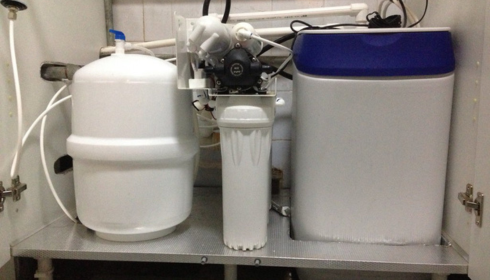

If you’ve ever walked past your water softener and suddenly thought, “Wait… is that amount of water supposed to be there?”, or stared into the brine tank wondering whether to dump in another bag of salt—you’re not alone. Homeowners all over the place do the same dance. And unfortunately, most of us were never handed a guidebook titled “Water Softener 101 for Regular Folks.”
So let’s break it down—casually, clearly, and without turning this into a science lecture.
What’s Actually Going On Inside That Tank?
Okay, picture your water softener as a very low-maintenance roommate. It doesn’t need much, just salt and the occasional check-in. But when it’s unhappy, your water will tell you—stiff laundry, spotty dishes, itchy skin. The water softener’s job is to keep that from happening by removing the hard minerals in your water using a process called ion exchange.
To do this, it needs a brine solution (aka saltwater), which is stored in—yep, you guessed it—the brine tank. That’s the section you usually lift the lid on. What you see inside depends on a few things: how recently the unit regenerated, how much water it’s pulling in, and how much salt you’ve added.
So naturally, folks wonder: how much water should be in brine tank systems at any given time?
Answer: It depends. Some systems add water just before regeneration and drain it out right after, so you might not see much standing water. Others keep about 6 to 12 inches in there consistently. A bit of water? Normal. A full tank of water? Probably not ideal and might signal a stuck float or clog somewhere.
Salt Matters More Than You Think
Salt isn’t just there to fill the tank and look pretty. It dissolves in the water to create the brine solution that actually regenerates the resin beads (those are what soften your water). Without enough salt, your softener won’t do its job. With too much, you might run into something called “bridging”—where a hard crust forms and traps water beneath it.
The golden question then is: how much salt in water softener tank setups should you actually maintain?
As a general rule of thumb, try to keep your salt level at least three to four inches above the water level. If you can see standing water peeking above the salt, it’s probably time to top it off. But don’t overdo it. Filling it all the way to the top can lead to clumping and make it harder for the system to function smoothly. Leave a little breathing room.
And if your salt looks like it’s turning into one solid chunk or isn’t dissolving properly, that’s your cue to break it up or even clean out the tank.
So… How Many Pounds Are We Talking?
Salt comes in those hefty 40-pound bags you’ve probably seen stacked in hardware stores. They’re awkward to carry, and if we’re being honest, kind of a pain to pour without spilling half of it on your garage floor.
Still, the amount you need will vary depending on your system size, how hard your water is, and how many people are in your household. Typically, a household of four with moderately hard water will go through about one 40-pound bag every month.
If you’ve been asking how many pounds of salt for water softener systems is normal, that’s your ballpark. Some smaller systems might only need 20–30 pounds a month, while larger households or very hard water areas might go through 60–80 pounds.
The trick is consistency. Don’t let the salt run too low, and don’t let it sit unused for too long either. Like most things, balance is key.
When Things Look… Off
Let’s say you take a peek and something feels wrong. Maybe there’s more water than usual, or the salt hasn’t budged in a week. Here are a few signs to watch for:
- Salt bridge: A hard crust that forms above a hidden pool of water. Poke with a broom handle to break it up.
- Mushy salt: This could signal poor-quality salt or a system that hasn’t regenerated properly.
- Too much water: Could mean a clogged drain, broken float, or a brine valve issue.
- Bad smell: Time for a tank clean-out—maybe even a mild bleach rinse (just be careful and rinse thoroughly).
Like anything in your home, your softener benefits from the occasional once-over. You don’t need to obsess over it weekly, but a quick check every few weeks? That’ll keep things humming along.
Real-World Tips from Fellow Homeowners
- Don’t wait until the salt is gone – Keep it at least ⅓ full at all times.
- Use high-purity salt – It leaves less residue and reduces maintenance.
- Check the float – If your tank is too watery, this tiny part might be the culprit.
- Mark your calendar – A once-a-month check keeps surprises to a minimum.
- Clean once a year – If you’ve never cleaned your brine tank, you’re probably overdue.
Final Thoughts: It’s Just Water and Salt… But It Matters
We get used to the idea that our appliances should “just work,” but even low-maintenance systems like water softeners need a bit of attention now and then. Understanding what’s normal—and what’s not—when it comes to water and salt levels can save you a whole lot of confusion, not to mention money on early replacements.

