There’s something oddly satisfying about washing your hands and feeling that smooth, slick sensation that lingers after a good rinse. If you’ve ever bathed in soft water, you probably know what I mean. Your skin feels… better. Soap lathers more generously. Even your hair seems to say thanks. But the moment you return to your hard-water town, everything feels just a little off — itchy skin, dull laundry, that white crust building up on the showerhead again.
So you start wondering: Can I get that soft-water experience back without installing a whole system? You’re not alone. These days, more and more people are asking the same thing: where to buy soft water, or at least how to get their hands on it without plumbing overhauls or big price tags.
Let’s walk through this, no jargon, no hard sells. Just real talk about soft water — what it is, why it matters, and how (and where) you can actually get it.
What Even Is Soft Water?
In case you missed the science class on this one, hard water is water with a high mineral content, mainly calcium and magnesium. It’s not harmful to drink, but it’s brutal on pipes, appliances, skin, and pretty much anything it touches.
Soft water, on the other hand, has had most of those minerals removed. It’s kind to your skin, leaves dishes spot-free, and keeps your washing machine from throwing tantrums. If you’ve stayed at a fancy hotel or spent time in a spa, chances are you’ve experienced soft water without even realizing it.
But Wait — Can You Buy Soft Water?
That’s a fair question. Most people assume soft water is something that only flows from expensive home water softening systems. But here’s the truth: can you buy soft water like you buy bottled water or filtered jugs? Surprisingly, yes.
While it’s not as commonly stocked as spring or purified water, soft water can be purchased — though availability depends heavily on where you live. Some local water companies bottle and sell it in bulk, primarily for household appliances or specific health needs. It’s often used in humidifiers, CPAP machines, or steam irons too.
There are even subscription-based services now that deliver soft water in refillable containers for everything from drinking to laundry. It’s niche, but growing.
So, Where to Begin?
Before rushing off to buy, you’ll want to clarify what you need it for. Are you hoping for soft water just for drinking? Or are you trying to eliminate the crusty mess from your kettle and shower?
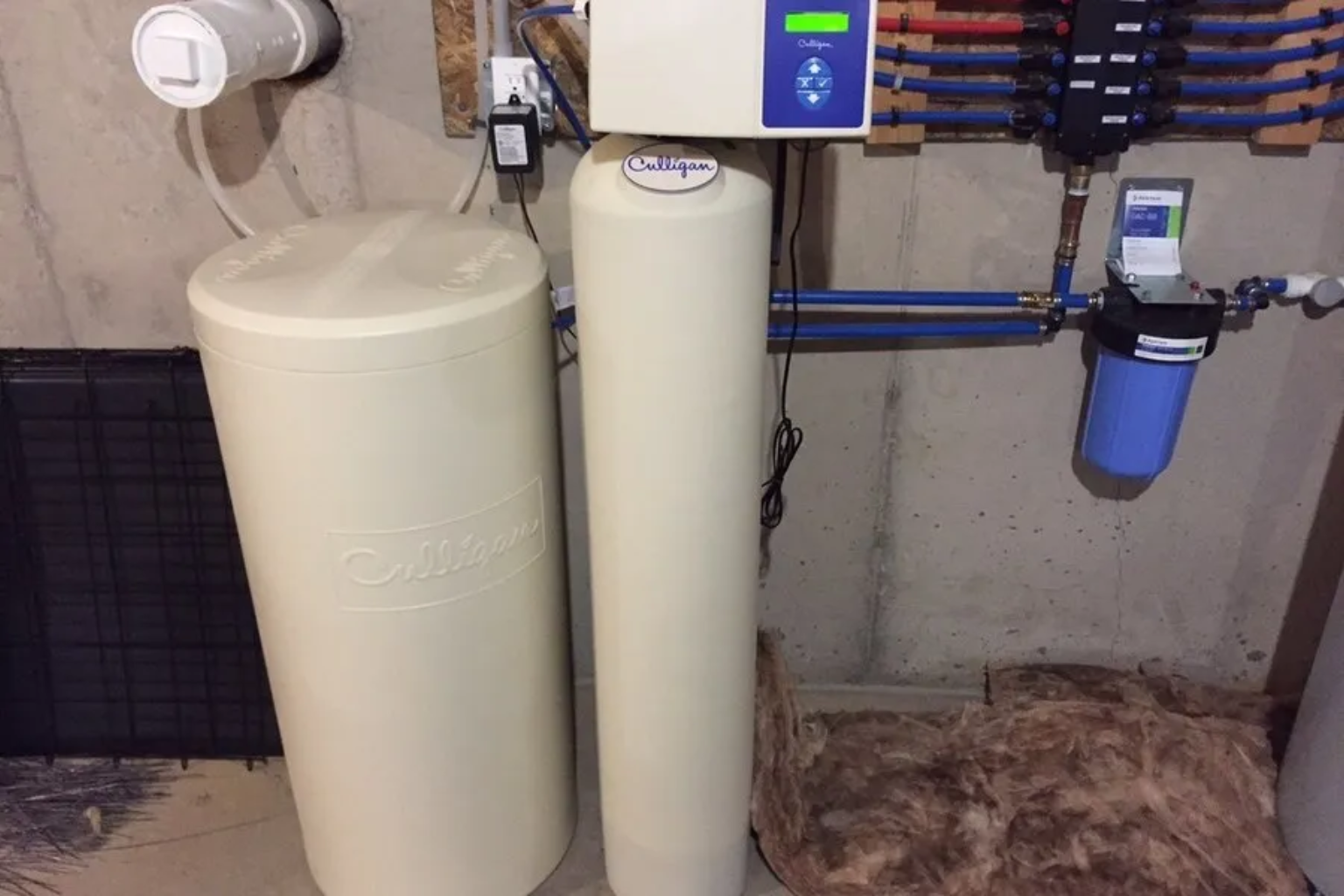
The application really matters. For example, most drinking water labeled “distilled” or “deionized” is technically soft — but that doesn’t always mean it tastes great. Some folks find it too flat. Meanwhile, softened water from a home system (salt-based or salt-free) is used more for bathing, cooking, or cleaning, not just sipping.
That said, if your goal is that silky-soft water for showers or home use, a better question might be: where to get soft water delivered or filled locally. Check if your area has a water softener refill station or home delivery services. Many water treatment companies offer this without needing to install a full system. Sometimes hardware stores or home centers sell large jugs of softened or demineralized water too.
A Little Reality Check
Let’s be real though — soft water isn’t always cheap. Buying it by the gallon can add up quickly if you’re using it for more than drinking. That’s why many people eventually invest in softening systems for their homes. But if you’re renting, or just not ready for the upfront cost, buying soft water in small doses still offers a real, tangible upgrade to your daily routines.
Think about it: smoother skin, cleaner clothes, no more water spots on your car after a wash. It’s one of those subtle luxuries that you don’t fully appreciate until it’s gone.
Don’t Be Fooled by Labels
One quick tip — not all bottled water is soft. In fact, many brands boast about their “mineral content,” which makes them technically hard. Look out for words like “distilled,” “purified through reverse osmosis,” or “deionized” if you’re trying to avoid the mineral load.
Better yet, ask for a TDS (total dissolved solids) reading. Soft water typically has a very low TDS count. Anything over 120-150 ppm (parts per million) starts to get into hard territory.
Final Thoughts: It’s More Accessible Than You Think
The search for soft water doesn’t have to be complicated or expensive. Whether you’re exploring your local hardware store, checking with a water treatment service, or just Googling the nearest refill station, you’re not chasing unicorns here. You’re chasing comfort, convenience, and honestly — a little peace of mind.