
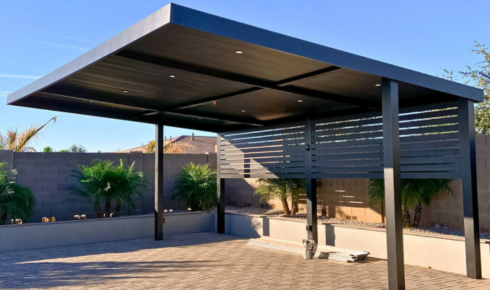

One thing that’s practically part of the Australian identity is outdoor living. From enjoying weekend barbecues with your mates to sipping a quiet morning coffee while basking in the early sun, many tend to spend most of their time enjoying their backyards, decks, and patios. What’s changing, though, is how these spaces are being built. Due to Australia’s unpredictable climate, aluminum structures are far better suited because they’re lighter and tougher, and many homeowners, designers, and builders seem to be leaning towards them.
Designed for Australia’s Harsh Conditions
Residents in Australia know how unforgiving the climate can be, especially if they’ve lived anywhere near the coast, or even just dealt with the scorching hot summers. With strong sun, salty air, heavy rain, and sudden temperature swings, Australia’s climate can be harsh, gnawing through traditional materials and highlighting the need for durable, weather-resistant solutions. Timber is prone to cracking or rotting, and steel often needs protective treatments to stop rust from creeping in, making material choice crucial for durable outdoor spaces.
It is a well-known fact that aluminium naturally resists corrosion, which makes it the ideal choice for coastal homes and a great fit for humid regions. It doesn’t swell, rot, or rust, and it holds up well year after year. This usually means fewer repairs down the road and less money being spent on upkeep for homeowners. Builders also appreciate it because it cuts down on maintenance-related call-backs, something no one really enjoys dealing with.
Lightweight Strength That Simplifies Construction
Compared to steel or hardwood, one of aluminum’s biggest advantages is how strong it is for its weight. Even though it’s much lighter, it still delivers impressive structural performance. That makes a huge difference during construction, especially on tight sites or elevated areas like balconies.
Using aluminium beams means wider spans can be achieved without bulky supports getting in the way. The result? More open, airy spaces and cleaner lines, something modern Australian homes really value. Plus, lighter materials are quicker to handle and install, which can shave days off a project and keep labour costs under control.
Precision Engineering and Consistent Quality
Unlike natural materials, aluminium components are manufactured with high precision. Advanced fabrication processes ensure everything arrives straight, accurate, and ready to install. There’s no guesswork, no warping, and no awkward on-site fixes to make things line up.
This level of consistency is especially useful when outdoor spaces include multiple elements, like pergolas, screens, lighting, or roofing systems. Everything fits together neatly, which helps create a polished, well-finished look. In Australia, where building standards and compliance are taken seriously, reliability can save a lot of time and stress.
Flexibility in Design and Aesthetics
Outdoor spaces today aren’t just practical; they’re expected to look good, too. Aluminium systems offer plenty of flexibility when it comes to finishes and design. With powder coating and anodising options, it’s easy to match almost any architectural style, whether that’s a relaxed coastal home in Queensland or a sleek, modern build in Melbourne.
Because aluminium can be shaped into custom profiles, designers aren’t boxed into standard sizes. Curves, slim frames, and integrated shading features are all achievable without sacrificing strength. Personally, this is where aluminium really shines, it helps outdoor areas feel like a natural extension of the home, not an afterthought tacked on at the end.
A Smarter Approach to Decking Systems
Decks are a staple in Australian homes, but what sits underneath them is just as important as what you see on top. Moisture, insects, and long-term wear plague traditional timber subframes, especially in shaded or ground-level areas.
A moisture-resistant alternative for this is an aluminium decking frame, which is solid and stays straight and stable over time. Furthermore, there’s less movement underfoot, and annoying squeaks are far less likely with deck boards because they’re known to sit more evenly. Also, it helps extend the life of the decking boards themselves. For homeowners, this typically means fewer difficulties and a deck that looks better for longer, regardless of whether they’re composite or timber.
Sustainability and Long-Term Value
These days, sustainability isn’t just a nice bonus; it’s something many homeowners actively look for. Aluminium is 100% recyclable and can be reused again and again without losing its strength. Many products used in Australia already contain recycled content, which helps reduce their environmental impact.
Because aluminium lasts so long and needs very little maintenance, it also reduces the need for replacements and chemical treatments over time. That’s better for the environment and easier on your wallet. Low-maintenance outdoor spaces are a big selling point too, which can add real value to a property down the track.
Meeting Modern Building Standards
Australian building regulations keep evolving, especially around safety, structural performance, and bushfire resistance. Aluminium systems can be engineered to meet specific requirements, including high wind loads and bushfire-prone area standards.
Manufacturers usually provide detailed engineering data and compliance documents, which makes approvals and inspections much smoother. That’s reassuring for builders and homeowners alike, particularly in areas with stricter regulations or challenging site conditions. In addition, aluminium’s non-combustible properties make it a reliable choice in regions with elevated fire risk. Its consistent manufacturing quality allows for precise installation, reducing the likelihood of defects or delays. As compliance demands increase, aluminium continues to offer a dependable, regulation-ready solution for modern outdoor construction projects.
The Future of Outdoor Construction in Australia
As outdoor living spaces become more sophisticated, the materials behind them need to keep up. Modern aluminium systems are proving to be a practical, future-ready solution that balances strength, durability, design freedom, and sustainability.
In Australia, where lifestyle and climate go hand in hand, aluminium is no longer just an alternative option. It’s quickly becoming the go-to choice for forward-thinking builders creating sophisticated outdoor retreats. Future systems will integrate smart shading, automated louvers, and energy-harvesting roof panels while maintaining sleek profiles. Modular designs allow easy expansions for growing families, from poolside cabanas to rooftop dining areas, perfectly blending functionality with tomorrow’s architectural trends.

