Water plays a bigger role in daily life than most of us realize. We drink it, cook with it, wash our clothes in it, and step under it every morning, often without giving it a second thought. But when water leaves your skin feeling dry, leaves stubborn marks on bathroom fixtures, or makes your tea taste a little unusual, it’s hard not to wonder whether something could be better.
The good news is that improving household water quality doesn’t always mean making a major investment. Sometimes, a simple filter or a better understanding of your water supply can make a noticeable difference. The trick is knowing what you’re dealing with before spending money on a solution.
From personal comfort to household expenses, water quality can affect more than you’d expect. Here’s what homeowners should know about making everyday water work better for them.
Why Your Home’s Water Quality Matters
Water can look clear and still contain dissolved minerals, chlorine, or other substances that affect its taste and usefulness. Public water supplies are treated to meet applicable standards, but local conditions, distribution pipes, plumbing materials, and the source itself can influence what eventually comes out of your tap.
Hard water is a common example. It contains higher concentrations of minerals such as calcium and magnesium. These minerals aren’t generally considered harmful at typical drinking-water levels, but they can leave chalky deposits on faucets, reduce soap lather, and build up inside appliances.
Other households may notice an earthy smell, a metallic taste, or cloudy water. Sometimes the cause is harmless, but a sudden or persistent change deserves attention rather than a quick guess.
Start by observing what’s happening. Does the problem affect every tap or only one? Does it appear after water has been sitting in the pipes? Has your water supplier reported maintenance or a disruption? These details can help narrow down the possibilities.
When the cause isn’t obvious, testing is a sensible next step.
The Connection Between Water, Skin, and Hair
A long shower is supposed to feel refreshing, not leave you reaching for extra moisturizer. Yet some people notice that their skin feels tight after bathing or that their hair seems rough, dull, or harder to manage.
Hard water may contribute to these frustrations. Mineral deposits can interact with soaps and shampoos, making it harder to rinse away residue completely. That can leave hair feeling coated and skin feeling less comfortable, especially for people who already struggle with dryness.
This is where skin & hair health becomes part of the water-quality conversation. A suitable water softener may reduce hardness and improve the bathing experience for some households. People sometimes find that soap rinses away more easily and that bathroom surfaces need less scrubbing, too.
Still, it’s important to keep expectations realistic. Dry skin and hair can have many causes, including weather, hot showers, personal-care products, and underlying skin conditions. Soft water isn’t a cure for eczema, hair loss, or other medical concerns.
If you’re considering a treatment system mainly for bathing comfort, test your water hardness first. You may discover that a softener makes sense—or that changing your shower temperature and personal-care routine is a better place to start.
Taste, Smell, and the Water You Drink
Most people can tell when drinking water doesn’t taste quite right. Perhaps it has a swimming-pool-like smell, an unpleasant aftertaste, or a flavor that seems stronger when making coffee or tea.
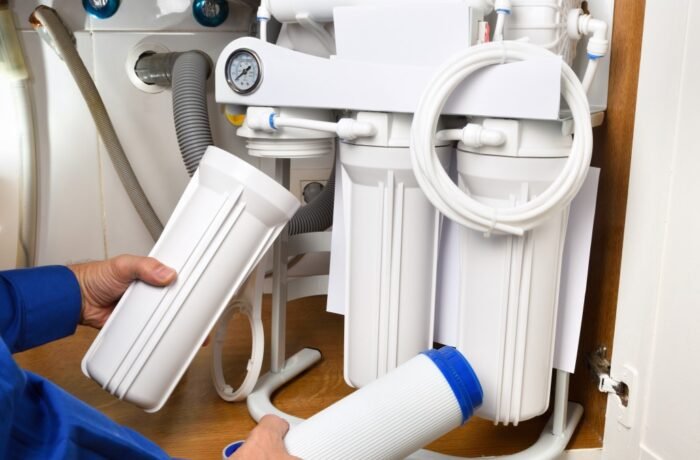
Chlorine is commonly used to disinfect public water supplies, and its taste or smell can be noticeable even when the water meets drinking-water standards. Activated carbon filters can reduce chlorine and certain other substances, depending on the specific product and its certification.
Reverse osmosis systems offer another option for reducing selected dissolved substances in drinking water. However, they aren’t necessary for every home, and their effectiveness depends on the system design, installation, and maintenance.
Before buying anything, check whether the issue is consistent. A refrigerator water dispenser with an overdue filter may be responsible for an odd taste, while a rarely used tap may need investigation because water has been sitting in the plumbing.
Never assume that water is safe simply because it tastes fine. Some contaminants have no obvious smell, taste, or color. If you suspect contamination, arrange appropriate testing and follow local public-health advice.
Saving Money Without Overcomplicating Things
Water treatment equipment has an upfront cost, so it’s reasonable to ask whether the investment will pay off. The answer depends on your home’s water conditions, the type of system you choose, and how much maintenance it needs.
Hard water can contribute to scale inside kettles, water heaters, washing machines, and other appliances. Deposits may interfere with heat transfer and increase cleaning requirements. Reducing hardness where necessary can help manage these issues, although it doesn’t guarantee that appliances will never need repairs.
There may also be opportunities for environmental impact & cost savings when a household reduces its dependence on single-use bottled water. A suitable drinking-water filter, paired with a reusable bottle, can cut down on packaging waste and repeated purchases.
That said, filtration cartridges, replacement parts, electricity, and servicing all come with costs. Reverse osmosis systems may also send some water to the drain during treatment. Comparing these ongoing expenses with your current habits gives you a more realistic picture than looking at the purchase price alone.
The smartest investment isn’t necessarily the most advanced system. It’s the one that addresses a genuine problem and continues to perform reliably without stretching your household budget.
Why Water Testing Should Come Before Equipment
It’s tempting to buy a filter after reading a worrying headline or hearing a neighbor complain about their tap water. But two homes on the same street can have different plumbing conditions, and a solution that works well for one household may be unnecessary for another.
A free water test can be a useful starting point if a reputable local provider offers one. Ask what the test measures, whether it involves laboratory analysis, and whether you’ll receive written results. Some free checks are basic screening assessments rather than comprehensive tests, so understand their limitations.
For a more complete picture, consider a qualified laboratory, particularly if you use private well water or suspect a specific contaminant. Depending on your location, testing may include hardness, pH, iron, nitrates, microorganisms, lead, or other substances relevant to your water source.
If the results reveal a problem, choose treatment designed and certified for that particular contaminant. A carbon filter, for instance, won’t necessarily remove dissolved salts or disinfect water contaminated with harmful microorganisms.
Reliable testing also protects you from buying equipment you don’t need. A little investigation now can prevent unnecessary spending later.
Choosing the Right System for Your Household
There isn’t one perfect water treatment solution for every home. A family mainly concerned about chlorine taste might do well with an appropriately certified carbon filter. A household dealing with widespread scale may benefit from a water softener. If testing identifies certain dissolved contaminants in drinking water, reverse osmosis or another targeted technology could be worth considering.
Think about where treatment is needed, too. A point-of-use filter treats water at a particular tap, while a whole-house system treats water entering the home. Whole-house equipment can be useful for specific problems, but installing it when a kitchen filter would do the job may add unnecessary expense.
Check product certifications, replacement schedules, water-use requirements, and warranty terms. Be wary of claims that a single device removes every contaminant or makes all water completely pure.
Good advice should be based on your test results, not fear-based sales tactics.
Small Changes Can Make a Real Difference
Better household water doesn’t have to begin with a costly renovation or a complicated setup. It can start with checking your water report, replacing an overdue filter, investigating persistent odors, or arranging a proper test.
Pay attention to the signs your home gives you. Frequent mineral deposits, an unusual taste, or ongoing problems with water-using appliances are worth understanding, even if they turn out to have a simple explanation.
Ultimately, the aim isn’t to buy the most equipment. It’s to make informed choices that improve comfort, support sensible household spending, and address genuine water-quality concerns.
Once you know what’s coming through your taps, you’re in a much better position to decide what needs changing—and what doesn’t. That’s a practical way to make water work a little harder for your home, without making life unnecessarily complicated.