Water is one of those things most people only notice when something feels off. A glass might taste strange, the showerhead may develop a chalky coating, or freshly washed dishes can come out covered in spots. None of these issues necessarily mean there is a serious problem, but they are reminders that household water quality deserves a little attention.
The good news is that improving water at home doesn’t have to be complicated. With the right information and a treatment approach suited to the property, homeowners can make everyday water use more comfortable and manageable.
Every Home Has Different Water Needs
There isn’t a single water treatment setup that works perfectly for every household. A family using municipal water may have different concerns from someone relying on a private well. Older plumbing can also affect water quality, while local geology can influence hardness and mineral levels.
That’s why residential water solutions should be based on the actual needs of the household rather than simply choosing the most expensive equipment available.
A small apartment, a large family home, and a property with well water can all require very different approaches. Understanding that from the beginning makes the entire process much easier.
Start With Testing Instead of Guessing
It’s easy to make assumptions about water based on how it looks or tastes. But some substances cannot be detected by sight, smell, or taste. Testing gives homeowners a much clearer starting point.
A proper water testing & lab analysis can identify specific characteristics and contaminants that may require attention. Depending on the test, this might include hardness, minerals, bacteria, or other substances.
Testing is especially useful before purchasing a treatment system. Otherwise, homeowners can end up spending money on equipment that doesn’t address their actual water-quality concerns. Nobody wants a fancy machine sitting in the basement while the original problem remains untouched.
Hard Water Can Affect More Than You Think
Hard water is one of the most common household water concerns. It contains minerals such as calcium and magnesium, which can leave scale on faucets, showerheads, appliances, and plumbing components.
You may notice a white crust around the kitchen tap or find yourself scrubbing the shower more often than you’d like. Laundry can sometimes feel different too, particularly when mineral deposits build up over time.
Water softening can help address these hardness-related concerns. The appropriate system depends on the severity of the problem and the needs of the home.
Drinking Water Deserves Special Consideration
Even when household water meets applicable quality requirements, some homeowners prefer additional filtration for drinking and cooking. Taste is often a major reason. Chlorine, minerals, or other characteristics can make tap water less appealing, and filtered water may encourage people to drink more of it.
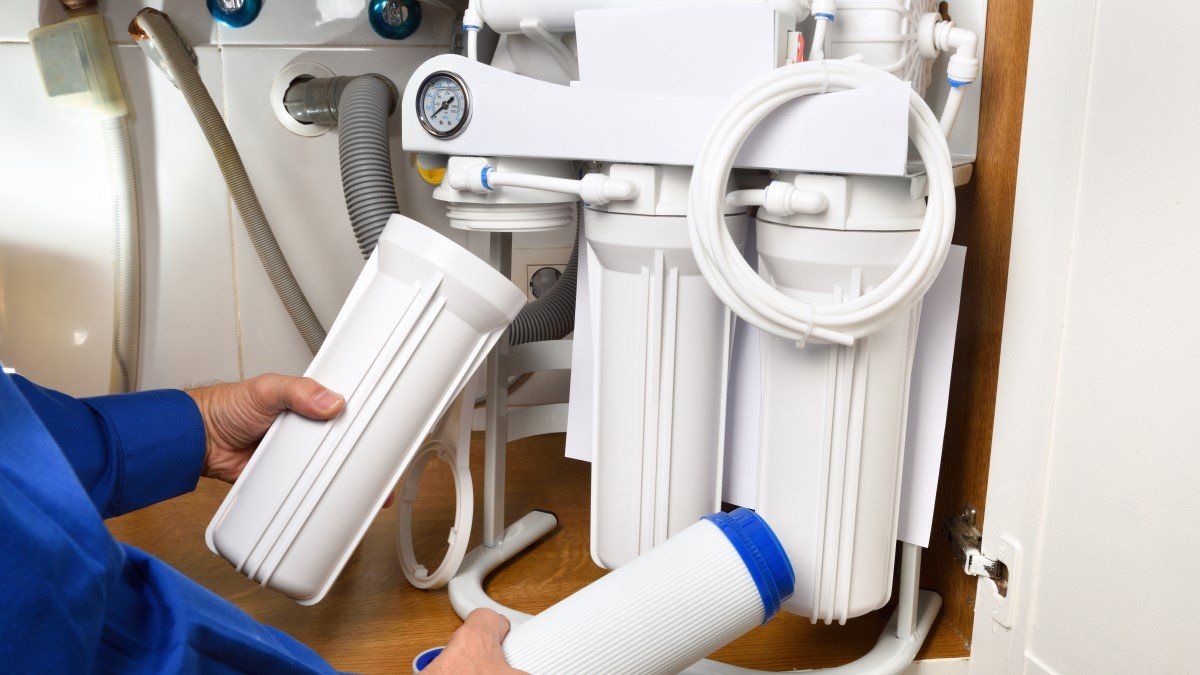
Point-of-use filtration can be installed where drinking water is needed most, such as at the kitchen sink. Depending on the technology, different systems are designed to reduce different substances.
The important thing is to understand what a filter is actually designed to remove. Marketing language can sound impressive, but specifications and certifications tell a much more useful story.
Smart Technology Is Changing Water Management
Home technology has moved well beyond smart thermostats and security cameras. Water management is becoming smarter too.
Systems such as DROP Smart Home Water Management can give homeowners more insight into water use and household plumbing. Depending on the setup, smart water technology can help monitor usage, identify unusual activity, and give homeowners greater visibility into what is happening with their water system.
That kind of information can be surprisingly useful. A small change in water consumption might indicate a dripping fixture, running toilet, or another issue that would otherwise go unnoticed.
Don’t Forget About the Whole House
It’s natural to focus on the kitchen faucet because that’s where drinking water is usually consumed. But water travels through almost every part of a home.
Showers, washing machines, dishwashers, bathroom fixtures, and water heaters all depend on the same household supply. If the concern affects the entire property, a whole-home approach may be worth considering.
This doesn’t mean every home needs a large filtration system. The right decision depends on testing results, water usage, plumbing, and what the homeowner actually wants to improve.
Maintenance Is Part of the Solution
Water treatment equipment needs care just like any other household system. Filters eventually need replacement, softeners may require servicing, and smart devices need to remain properly configured.
Ignoring maintenance can gradually reduce performance. It can also make it harder to notice when something changes.
Create a simple schedule for filter replacements and inspections. Keep track of service dates, and pay attention to changes in water pressure, taste, smell, or appearance. If something suddenly seems different, investigate rather than waiting for the issue to become obvious.
A Better Approach Starts With Information
Improving household water quality doesn’t need to become an overwhelming project. Start small. Understand your water source, identify the concerns you’ve noticed, and test the water when appropriate.
From there, compare treatment options based on what your home actually needs. Consider both the initial cost and the long-term maintenance involved. A system that seems affordable at first may become expensive if replacement parts and servicing are frequent.
Ultimately, good water management is about making informed choices. Whether the goal is reducing hard-water buildup, improving drinking water, monitoring household usage, or simply gaining more confidence in what’s coming from the tap, the right solution should fit naturally into your home.
Water is used every single day, often without a second thought. Taking a little time to understand and manage it can make a surprisingly meaningful difference to the way your home works.