
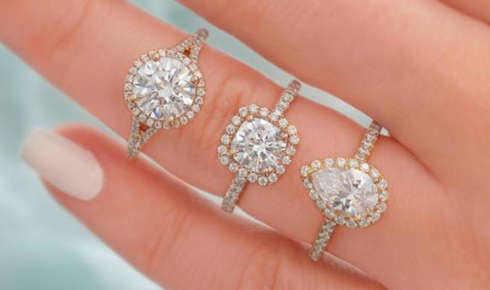

When shopping for diamond engagement rings, quality should always be the top priority. An engagement ring is not only a symbol of love and commitment but also an investment in craftsmanship and materials. With countless styles, stones, and settings available in today’s market, ensuring that the ring you choose meets the highest standards can feel overwhelming. However, by focusing on a few key aspects such as the quality of the diamond, the setting, certification, and where you purchase the ring you can confidently select a piece that reflects both beauty and durability.
The first step in ensuring a high-quality ring is understanding the diamond itself. This means becoming familiar with the Four Cs: cut, clarity, color, and carat weight. The cut of a diamond affects how well it reflects light and ultimately how much it sparkles. Even a diamond with a high carat weight will appear dull if it has a poor cut. Clarity refers to the presence of internal or external flaws, known as inclusions or blemishes. The fewer imperfections, the more valuable and brilliant the diamond will be. Color grading ranges from D (colorless) to Z (light yellow or brown), and diamonds closer to the colorless range are typically more desirable. Finally, carat weight measures the size of the diamond, but bigger does not always mean better if the other Cs are lacking.
Once you understand the Four Cs, the next consideration is certification. Reputable diamond engagement rings should come with a grading report from a recognized gemological laboratory, such as the GIA (Gemological Institute of America) or AGS (American Gem Society). These independent organizations provide an unbiased analysis of a diamond’s quality. A certified diamond assures the buyer that they are getting exactly what they pay for, with documented proof of its specifications.
Equally important to the diamond is the setting in which it is placed. A well-crafted setting not only complements the stone aesthetically but also secures it in place. Poor craftsmanship may result in loose prongs or uneven metalwork, which can risk damage or loss of the diamond over time. Look for rings that are crafted with precision and attention to detail, using durable metals like platinum or high-quality gold. Check the symmetry, finish, and overall construction to ensure the ring will withstand daily wear.
The reputation of the jeweler also plays a crucial role in the quality of your engagement ring. Opt for established retailers or designers known for their ethical sourcing, expert craftsmanship, and excellent customer service. A trustworthy jeweler will guide you through the process, answer your questions transparently, and offer guarantees or warranties for their products. They should also be willing to show you multiple options and explain the differences in quality, price, and features. For more helpful blog posts like this one, visit the rest of our site, MyusaWire.
Lastly, consider the long-term maintenance of your ring. Even the highest-quality diamond engagement rings require occasional professional cleaning and inspection to keep them in pristine condition. Ask your jeweler about care recommendations and whether they offer complimentary maintenance services.
In conclusion, ensuring your engagement ring is of the highest quality involves more than just selecting a beautiful stone. It requires understanding the technical aspects of the diamond, choosing a reliable and certified gem, paying attention to the setting, and purchasing from a reputable jeweler. With careful consideration and attention to detail, you can be confident that your engagement ring will not only dazzle today but remain a cherished piece for decades to come.

