

Picture this: a warm summer evening, you’re filling up a glass of water from your kitchen tap. You take a sip, and it tastes… off. Not dramatically bad, just enough to make you pause. You shrug it off. Maybe it’s the pipes. Maybe it’s your imagination. But here’s the kicker—it might be something your body can’t taste, but something that shouldn’t be there in the first place.
We often take clean water for granted. But for millions, the invisible stuff—arsenic, heavy metals, odd chemical remnants—is very real. And getting rid of it? That’s where things get both interesting and incredibly important.
What’s Really Lurking in the Water?
Let’s not sugarcoat it—municipal water systems do their best, but they’re not perfect. And if you rely on a private well, it’s a whole other ball game. Contaminants like arsenic (yes, that arsenic) show up more often than you’d think. The worst part? You can’t taste it, smell it, or see it. But it’s there, slow-dripping into your life over time.
This isn’t about fear-mongering—it’s about awareness. The U.S. Environmental Protection Agency sets limits, sure, but those limits aren’t guarantees. They’re just the lowest bar we’ve collectively agreed to hop over. Is that enough for your family? Your kids? Your peace of mind?
Enter the Quiet Revolution: Advanced Filtration
So, how do we actually do something about it?
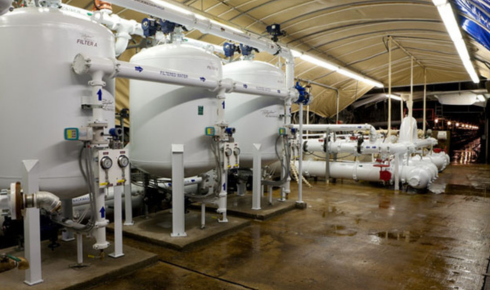
There’s a quiet revolution happening in the world of water filtration, and it has everything to do with a mouthful of a term: adsorptive media. Sounds technical—and it is—but in simple terms, it’s a type of filter media designed to grab hold of specific contaminants and lock them down.
This isn’t your basic carbon filter from the grocery store aisle. Adsorptive media is more like a contaminant magnet, attracting and holding onto dangerous elements like arsenic, lead, and even fluoride. It’s selective, efficient, and built for performance where it really counts.
Why Arsenic Is a Bigger Deal Than We Realize
Arsenic isn’t some exotic chemical from a sci-fi novel—it’s naturally occurring in rocks and soil. That means it can sneak into groundwater without any industrial spill or human error. It just… happens.
Prolonged exposure, even at low levels, is linked to some pretty serious health issues: cancer, cardiovascular disease, developmental effects in children. So yeah, it’s worth paying attention to.
Thankfully, the technology to remove arsenic is becoming more accessible, especially for homeowners with private wells or older plumbing setups. The key is knowing what you’re dealing with and choosing the right system tailored for your water source.
Not All Filters Are Created Equal
When you start shopping for solutions, it’s easy to get overwhelmed. There are pitcher filters, under-sink options, whole-home systems, reverse osmosis units… the list goes on. Each has its place, but not all of them tackle the same problems.
If your main concern is arsenic or fluoride, you need a system that’s built specifically for that—often using advanced technologies like activated alumina, titanium-based adsorbents, or hybrid systems that combine adsorptive media with other filtration stages.
Here’s the truth: filtering out big stuff like dirt and rust is easy. Taking out invisible toxins? That’s a more nuanced job. And if you’re spending good money, make sure it’s doing the job you need.
The Human Side of Clean Water
Beyond the technical jargon and filter specs lies the real story—your story. Clean water isn’t just a utility. It’s something we touch, drink, bathe in, cook with. It’s part of every meal, every bedtime routine, every moment we pour a glass without thinking twice.
Choosing a proper water treatment system isn’t about joining some trend—it’s about reclaiming control over your environment. It’s saying, “I care about what goes into my body, my family’s bodies.” And in today’s world, that kind of decision matters more than ever.
Small Fixes, Big Life Upgrades
A lot of us live with small inconveniences because we’ve normalized them. That chalky film in the kettle? The dry skin after a shower? Slight metallic taste in your morning tea? These things build up over time and quietly downgrade our everyday quality of life.
But with the right system, especially one designed to tackle your specific needs (arsenic, chlorine, hardness, etc.), the improvements can be instant. Better taste. Better feel. Fewer maintenance calls. Lower grocery bills if you’re ditching bottled water. The list goes on.
And once you experience that clarity—literally—it’s hard to go back.
Knowledge Is the First Filter
Here’s the deal: you don’t need to become a water engineer overnight. But you do owe it to yourself to get curious. Start with a test. Know your numbers. Look up what’s common in your area. Talk to someone who knows their stuff.
There’s no one-size-fits-all solution when it comes to water quality. But there is always a better option than doing nothing.
Final Thought: It’s Personal Now
You wouldn’t ignore mold in your walls. You wouldn’t eat food you knew was tainted. So why overlook the water?
Taking steps toward safer, cleaner water isn’t just another home upgrade—it’s a lifestyle shift, a mindset of self-respect. It’s saying, “I choose to care, even if no one else notices.” And sometimes, that’s the most powerful choice of all.
So whether it’s adsorptive media filters, systems built to remove arsenic, or complete water treatment setups—you’ve got more control than you think.
And it all starts with turning on the tap… and asking what’s really in there.

