
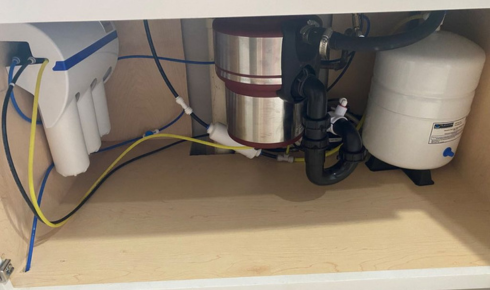

Water runs quietly in the background of almost every business, yet it’s one of those things we only notice when it becomes a problem. A restaurant owner might panic when cloudy ice cubes start showing up in drinks. A hotel manager may cringe at guest complaints about hard water stains. Even a manufacturing plant could find itself losing efficiency because mineral deposits clog up expensive machinery. All of these issues point to one underlying factor: water quality. And when water isn’t treated properly, the costs—both financial and reputational—stack up faster than most owners realize.
That’s where the conversation about professional water treatment becomes less about luxury and more about necessity.
Why Businesses Can’t Afford to Ignore Water
It’s tempting to think of water treatment as something reserved for households with wells or quirky local water supplies. But in reality, businesses of all sizes—cafés, breweries, office complexes, schools, factories—depend on reliable, clean water to keep things running smoothly.
Think about it. Coffee shops need pure, mineral-balanced water for better-tasting brews. Hotels need spotless laundry and gleaming bathrooms. Medical facilities require sterile, contaminant-free water for patient safety. The list goes on. When the water isn’t right, customers notice. Employees notice. Eventually, revenue notices.
This is exactly why companies are turning to professionals rather than relying on makeshift solutions. And one name that keeps coming up in conversations is Clean H2O Pros water treatment, a provider that understands how every business has unique water challenges that can’t be solved with one-size-fits-all equipment.
The Hidden Costs of Bad Water
Unfiltered or poorly treated water quietly eats away at profitability.
- Equipment damage: Minerals like calcium and magnesium cause scale buildup in boilers, dishwashers, and cooling towers. Repairs and replacements aren’t cheap.
- Energy waste: Scaling forces systems to work harder, driving up energy bills.
- Lost product quality: Breweries producing craft beer, bakeries mixing dough, or hotels serving guests—bad water changes the outcome.
- Health and safety risks: In some cases, untreated water may harbor contaminants that could affect customer trust and even regulatory compliance.
When you look at those ripple effects, suddenly water treatment doesn’t feel like a back-burner issue—it feels like a smart investment.
Arizona’s Challenge: Water That Works Against You
If there’s one state that understands water woes, it’s Arizona. From Phoenix to Tucson, the water supply is famously hard, full of dissolved minerals that wreak havoc on pipes, appliances, and just about anything it touches. Businesses in this region know the frustration of constant maintenance and endless descaling.
That’s why tailored commercial water treatment systems Arizona business owners rely on have become more than just a trend—they’re survival tools. These systems are designed with local water chemistry in mind, helping companies overcome the unique challenges of desert living while saving time, money, and headaches in the long run.
One Size Doesn’t Fit All
When a business decides to invest in treatment, the first instinct is often to pick the cheapest option off the shelf. Unfortunately, that’s how disappointment begins.
Restaurants, for example, need systems that focus on taste, odour, and clarity. Industrial operations may require high-capacity filtration that prevents scaling on machinery. Hotels might need a combination of softening, reverse osmosis, and disinfection to satisfy hundreds of different water demands daily.
The smart move? Work with professionals who test the water, analyse usage patterns, and recommend solutions that are actually built for your business. This prevents overspending on unnecessary tech while ensuring the system does exactly what you need it to do.
Sustainability Is No Longer Optional
Customers care about how businesses treat the environment, and water plays a starring role in that conversation. Eco-conscious companies are seeking treatment systems that not only improve quality but also conserve water, reduce chemical waste, and lower energy consumption.
A brewery that filters responsibly saves thousands of gallons annually. A hotel that adopts efficient softeners reduces detergent use and wastewater. These aren’t just green talking points—they’re competitive advantages in a market where sustainability sells.
How Water Treatment Shapes Customer Experience
It’s easy to underestimate how deeply water connects to customer impressions.
Picture a diner sliding into a restaurant booth. They order iced water, take a sip, and taste chlorine. Not a good start. Or imagine a traveller stepping into their hotel shower only to find the water feels sticky, leaving a film on their skin. These little details matter. They influence whether a customer leaves a five-star review or never comes back.
For business owners, that means investing in water treatment for businesses isn’t just about internal operations—it’s about reputation. Clean, safe, great-tasting water communicates care, professionalism, and attention to detail.
The Employee Factor
We talk about customers all the time, but what about the people working behind the scenes? Employees benefit massively when water systems are properly managed. Cleaner water reduces scale in coffee machines and dishwashers, saving staff from constant maintenance headaches. In industries where safety matters—like healthcare or food production—knowing the water is consistently treated gives employees peace of mind.
Happy staff tend to stick around longer, and retention is its own form of savings.
Balancing Cost and Value
Let’s be honest: installing a treatment system isn’t free. Some business owners hesitate at the upfront price tag, wondering if they can “get by” without it. But here’s the reality—most companies end up paying far more in repairs, replacements, wasted energy, and lost business when they delay the decision.
Think of it like insurance: you don’t buy it because you enjoy spending money, you buy it because it protects you from costs that would hurt far more later. The same logic applies to water treatment.
Choosing the Right Partner
All water treatment providers aren’t created equal. Some focus purely on selling equipment without much regard for whether it suits your setup. Others specialise in long-term partnerships—testing, installing, maintaining, and adjusting as your business grows.
When choosing a provider, ask the right questions:
- Do they analyse your specific water quality?
- Can they customise solutions for your industry?
- Do they provide ongoing support and maintenance?
- What’s their track record with businesses like yours?
Getting those answers up front saves a lot of pain later.
A Practical Next Step
If you’re running a business and water hasn’t been on your radar, consider this your friendly wake-up call. Whether you’re in hospitality, healthcare, manufacturing, or retail, water quietly touches more aspects of your operation than you think. Treat it as an asset worth protecting, not just a utility bill.
The good news is that technology has come a long way. Modern treatment systems are smarter, more efficient, and easier to maintain than ever before. With the right setup, you can turn water from a hidden liability into a clear advantage.
Final Thoughts
Businesses succeed when they pay attention to details. Customers may not consciously notice when the water is great, but they certainly notice when it’s not. By making water treatment part of your strategy, you protect your equipment, improve customer satisfaction, and give employees one less thing to stress about.
In short, don’t wait for the next cloudy ice cube, rusty stain, or unexpected equipment breakdown to remind you of water’s importance. Take control now, and let clean, reliable water quietly support your business success for years to come.

