
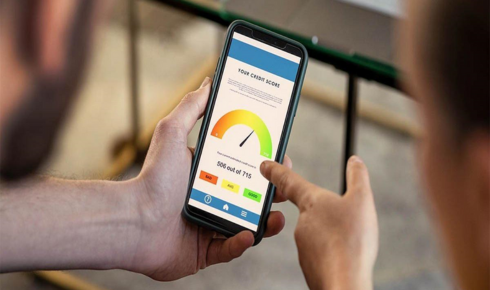

Think a bad credit score is a roadblock to a payday loan? Not necessarily. We’ll demystify how payday lenders evaluate your application, revealing the critical factors beyond your credit score. Discover how a good credit history can be your secret advantage in securing the best loan terms.
In the world of personal finance, few things stir as much confusion and apprehension as the humble credit score. It’s a three-digit number that seems to hold the key to our financial future, influencing everything from mortgage rates to car loans. But what about when you need a quick financial fix? Does your credit score still matter, or are payday lenders more focused on your current income? The answer is nuanced, and understanding it is crucial for anyone considering this type of short-term borrowing.
The traditional view of payday loans often suggests they’re a last resort for those with poor credit. While it’s true that many payday lenders are more flexible with credit scores than traditional banks, this doesn’t mean your credit history is irrelevant. Your credit score plays a surprisingly significant role, acting as a key indicator of your financial behaviour and risk profile. Ignoring its importance can lead to unexpected rejections or less favourable loan terms. This article will demystify the relationship between your credit score and pay day loans, providing you with the knowledge to navigate this financial landscape with confidence.
The Myth and the Reality: Payday Loans and Bad Credit
For years, payday loans have been marketed as an accessible option for individuals with bad credit. The thinking was that since your next paycheck backs the loan, the lender’s primary concern is your employment status and income, not your past financial mistakes. While this holds some truth—your income and employment stability are indeed paramount—it’s a mistake to think your credit score is entirely out of the picture.
Most reputable payday lenders perform some form of credit check, though it may not be as exhaustive as the one a bank would conduct for a mortgage. They use this check to get a snapshot of your financial health. They’re looking for signs of past defaults, bankruptcy, or excessive borrowing that might signal a high risk of non-repayment. A severely low credit score, especially one marred by recent financial distress, can still be a red flag.
The type of credit check performed is often a “soft check,” which doesn’t negatively impact your credit score. This is different from a “hard check,” which leaves a mark on your credit report and can slightly lower your score. This is a key distinction that makes applying for a payday loan less risky to your credit rating than applying for a traditional loan. The purpose of the soft check is to verify your identity and get a basic understanding of your financial situation, not to scrutinise every detail of your credit history.
The Power of the Positive: How a Good Credit Score Can Help
While a perfect credit score isn’t a prerequisite, having a good one can be a significant advantage when applying for pay day loans. It can open doors to better loan terms, lower interest rates (though payday loan rates are inherently high), and a wider range of lenders. A good credit score tells a lender that you have a history of responsible borrowing and repayment, making you a more attractive applicant.
Key Advantages of a Higher Credit Score:
- More Favourable Terms: Lenders may offer you slightly better interest rates or a longer repayment period. While the difference might be marginal, every bit helps when dealing with high-cost credit.
- Wider Choice of Lenders: Some lenders are more selective and may only approve applicants with a specific minimum credit score. A higher score gives you more options to shop around and find the best deal.
- Faster Approval: A clean credit history can lead to a quicker, more streamlined application process. Lenders can more easily verify your information and approve your loan without needing extensive manual review.
- Increased Loan Amount: Depending on the lender’s policies, a good credit score might make you eligible for a slightly larger loan amount, giving you more flexibility to cover your expenses.
Navigating the Application: What Lenders Look For
Beyond the credit score, payday lenders focus on a few other critical factors to determine your eligibility. Understanding these can help you prepare for your application and increase your chances of success.
- Proof of Income: This is arguably the most critical factor. Lenders need to see that you have a steady, reliable source of income. This is why you’ll often be asked to provide recent pay stubs or bank statements.
- Employment Stability: How long have you been at your current job? Lenders prefer applicants who have been employed for a consistent period, as it indicates a stable financial situation.
- Existing Debts: Lenders will also look at your current debt-to-income ratio. If you’re already burdened with multiple other loans or credit card debt, a new loan might be seen as an additional risk.
- Bank Account: Having a valid, active bank account is a standard requirement, as this is how the loan is disbursed and repaid.
In short, while a poor credit score won’t automatically disqualify you from a payday loan, it can certainly make the process more difficult. Lenders are looking for a balance of risk factors, and a weak credit history combined with other red flags (like unstable employment or high existing debt) can lead to a denial.
The Verdict
While payday lenders are more flexible than traditional banks, your credit score still plays a vital role. It’s not the only factor, but it’s a key piece of your financial story that helps lenders assess risk. A strong score can lead to a smoother application process and potentially better terms for payday loans.
If your credit isn’t perfect, don’t worry. You can take proactive steps to improve it, like paying down debts and making timely payments. This not only boosts your chances of loan approval but also sets you on a path to a healthier financial future. Think of your credit score as a tool, not a barrier, and use it to your advantage for economic empowerment.

