
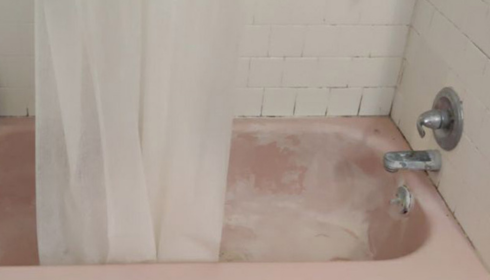

Picture this: You walk into your bathroom, ready for a hot soak or to brush your teeth, and bam—there it is again. That weird, rusty-looking orange ring mocking you from the tub or sink. You scrubbed it last week. Maybe even the week before. But here it is again, bold as ever.
Sound familiar?
Whether it’s an orange stain in bathtub corners or a stubborn ring around the sink drain, you’re definitely not alone. It’s one of the most common household annoyances—and the good news? It is fixable. You just need to understand what’s causing it and how to clean it properly (without ruining your tub or spending hours scrubbing).
So, let’s dig into it—what that orange mess really is, how to tackle it, and how to keep it from coming back like a bad sequel.
What Causes Those Orange Stains?
Let’s cut to the chase. Most of the time, the orange tint you’re seeing isn’t dirt, mold, or soap scum—it’s rust. More specifically, iron residue left behind by your water.
Yep. If you live in an area with hard water or well water, there’s a good chance your water supply has higher levels of iron. When iron mixes with oxygen (like when it hits the air at your faucet or drain), it oxidizes and turns into rust. That’s where that orange ring around the tub or sink comes from.
So, that orange ring around sink drain? It’s not you being messy—it’s your water having a little too much “character.”
In some cases, the stain could also come from products with high iron content (like clay face masks, certain bath bombs, or even some multivitamin residues). But usually, water is the real culprit.
The Big Question: How Do You Clean It?
Now for the part that matters: how to clean orange stains in bathtub (and sink). There are a few tried-and-true methods that can save you time, frustration, and sore arms.
1. Start with the Basics: Baking Soda + Vinegar
Sprinkle baking soda over the stain and spray it down with white vinegar. Let it fizz—it’s doing its job. Wait about 10–15 minutes, then scrub gently using a non-abrasive sponge or cloth. Rinse thoroughly. It might not vanish in one go, but it’ll lighten—and regular use helps.
2. Level Up: Lemon Juice + Borax
Mix lemon juice with borax to create a thick paste. Apply it over the stain, let it sit for 20–30 minutes, then scrub with a soft brush. This combo brings acidity (lemon) and grit (borax) to the fight without damaging your surfaces.
3. When You Need the Big Guns: Commercial Rust Removers
If DIY solutions aren’t cutting it, there are products like Bar Keepers Friend or Iron OUT specifically designed for rust and mineral stains. Be sure to check if they’re safe for your tub or sink surface—especially if you have porcelain or fiberglass.
Whatever you do, skip the bleach. It won’t help—and in some cases, it can actually make iron stains worse.
Prevention: Stop the Stain Before It Starts
Now that your bathroom is clean(er), let’s talk prevention. Because let’s be honest—no one wants to do this every weekend.
- Install a Water Filter or Softener
The most effective fix is treating the root of the problem: your water. A water softener or whole-house iron filter can reduce the amount of iron that makes its way to your taps. It’s an investment, sure—but if orange stains keep haunting you, it might pay for itself in saved time and cleaner tubs. - Wipe Things Down After Use
Not glamorous, but effective. Simply drying your tub or sink after use can drastically cut down on mineral buildup and prevent water from sitting long enough to oxidize. - Flush and Maintain Your Plumbing
If your home has older pipes, there could be iron buildup in the lines themselves. Regular flushing and occasional professional plumbing maintenance can help. - Watch Your Products
Check if your bath bombs, masks, or hair products are contributing. Some cosmetics contain iron oxides for color. Not saying you can’t use them—just rinse thoroughly after.
A Quick Note About Materials
Different surfaces need different care. Porcelain tubs can handle more aggressive cleaners than acrylic or fiberglass, which can scratch easily. Always test a small area first, and when in doubt, stick to natural methods like baking soda and vinegar or a specialty cleaner made for your tub type.
Final Thoughts: Don’t Let a Stain Steal Your Peace
At the end of the day, an orange stain in bathtub corners or around a sink drain doesn’t mean your bathroom is dirty or neglected. It’s just a side effect of the water chemistry in your home. And while it’s annoying, it’s not permanent.

