If you live on a private well, water feels personal.
It doesn’t arrive from some distant municipal plant. It comes from beneath your own property — filtered through layers of earth, pumped up by equipment you own, flowing directly into your home. There’s something independent and satisfying about that.
But that independence comes with responsibility.
Unlike city water systems, no utility company is monitoring your pump performance or checking for subtle shifts in pressure. If something changes, it’s up to you to notice.
And usually, it starts small.
The Subtle Signs People Overlook
You don’t wake up one morning to completely dry faucets — at least not usually. Instead, you notice little things.
The shower pressure isn’t as strong as it used to be. The kitchen faucet hesitates for a second before flowing. The washing machine seems to take longer to fill.
At first, it’s easy to blame the plumbing inside the house. Maybe a clogged aerator. Maybe a partially closed valve. But for well owners, these changes often point to deeper pressure issues within the system.
Pressure tanks can lose air charge. Switches can wear out. Sediment can clog intake screens. Pumps can begin cycling too frequently, slowly wearing themselves down.
Ignoring these small signals is tempting. But small signals tend to grow louder.
Why Routine Service Matters More Than Repairs
Most well systems are incredibly durable. Submersible pumps, pressure tanks, control boxes — they’re built to last. But like any mechanical setup, they perform best with consistent attention.
This is where professional water well service becomes valuable. Not because something has failed, but because it hasn’t — yet.
A proper service visit might include checking electrical components, testing pressure settings, inspecting the pressure tank bladder, and verifying that the pump isn’t short cycling. Technicians can also measure flow rates and look for signs of sediment or mineral buildup that could strain the system over time.
Think of it like taking your car in for a tune-up. You’re not waiting for smoke from the engine. You’re making sure everything stays aligned.
The Real Cost of Waiting
When well systems fail completely, it’s rarely convenient.
You discover it while stepping into the shower. Or while filling a pot for dinner. Or worse — during a gathering when guests are relying on your facilities.
Emergency repairs tend to be more expensive. If a pump motor burns out because it was cycling excessively, replacement costs climb. If a pressure tank ruptures, it can strain the pump itself.
Preventative pump maintenance reduces that risk dramatically. Cleaning sediment filters, calibrating pressure switches, and ensuring proper electrical connections help extend equipment lifespan.
And here’s something many homeowners don’t realize: small maintenance costs are almost always lower than full replacement expenses.
Understanding How Your System Works
A well system may seem mysterious, but it’s relatively straightforward once you break it down.
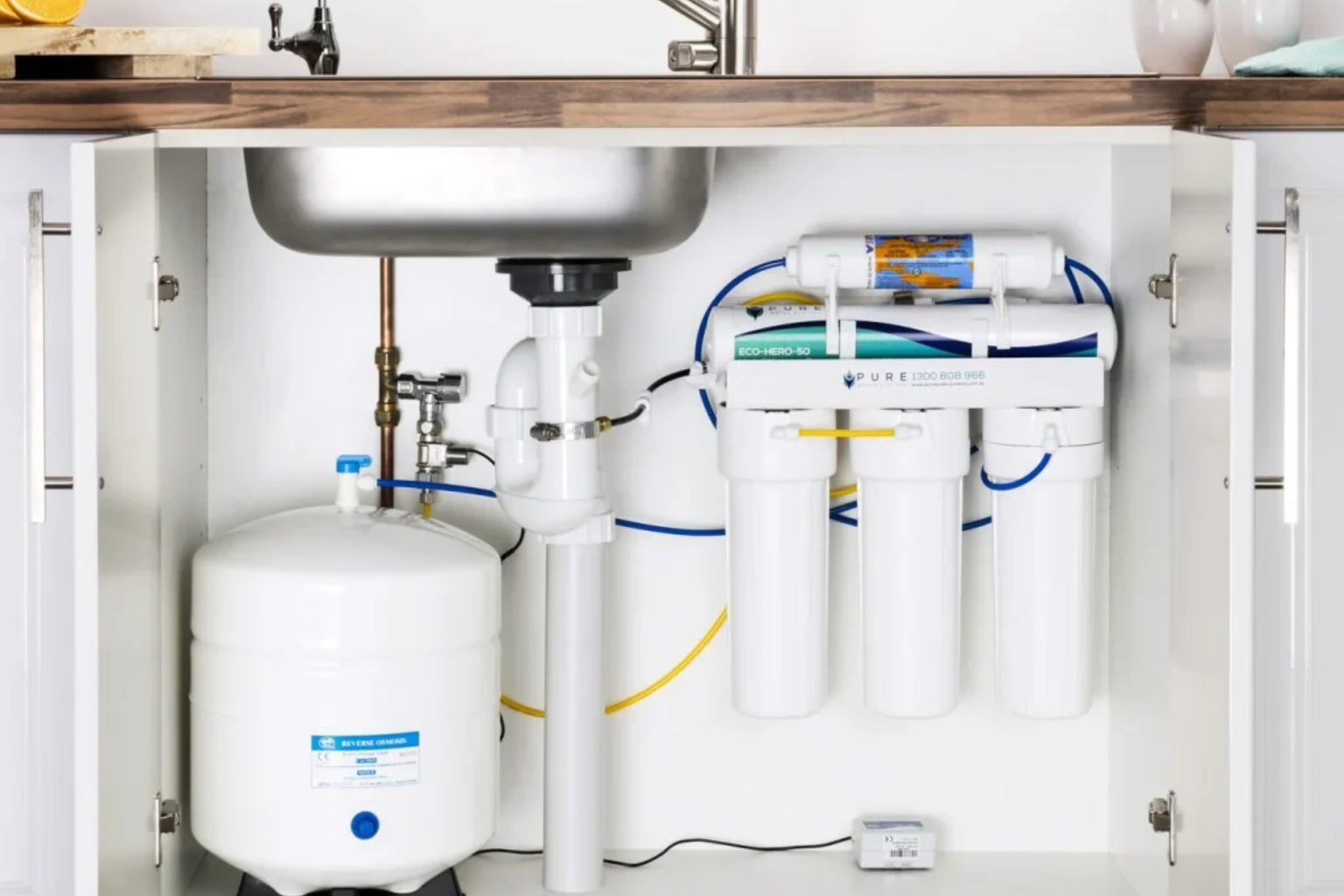
The pump (often submersible) draws water from underground. The pressure tank stores and regulates that water. A pressure switch controls when the pump turns on and off. Plumbing distributes water throughout your home.
If one component falters, the entire experience changes.
For example, a failing pressure switch can cause rapid cycling. That constant on-off pattern stresses the motor. Over time, the motor overheats and fails. But replacing a switch early could have prevented the chain reaction entirely.
That’s why professional diagnosis matters. It’s not about replacing parts randomly. It’s about understanding how the system interacts as a whole.
Seasonal and Environmental Factors
Well performance can also shift with the seasons. Heavy rainfall might introduce additional sediment. Extended drought can lower water tables. Temperature fluctuations can affect above-ground components.
Regular inspections account for these environmental influences. Water testing is equally important, especially if you notice changes in taste, color, or odor.
A little vigilance goes a long way toward maintaining stable water quality and pressure year-round.
Peace of Mind Is Underrated
There’s something uniquely unsettling about unreliable water. It interrupts your routine immediately. Cooking, cleaning, bathing — everything depends on it.
When your well system is functioning properly, you rarely think about it. And that’s exactly how it should be.
Routine service and maintenance keep water in the background, where it belongs. You turn the tap, it flows. No hesitation. No worry.
That quiet reliability is worth protecting.
Choosing the Right Support
Not every plumber specializes in well systems. Deep well pumps, electrical diagnostics, and pressure calibration require specific expertise. When selecting a service provider, experience matters.
Look for professionals who routinely handle private wells. Ask about inspection processes. Inquire about preventative maintenance programs.
A knowledgeable technician doesn’t just fix problems — they anticipate them.
A Final Thought on Responsibility
Owning a well offers independence. You’re not tied to municipal supply. You control your system. But control also means stewardship.
Pay attention to subtle changes. Schedule inspections before emergencies arise. Treat your well system like the essential infrastructure it is.
Because when water flows consistently, life moves smoothly. And with thoughtful care, it will continue to do so for years to come.
Sometimes the smartest move isn’t reacting to failure — it’s quietly preventing it.