Water is easy to take for granted when everything is running smoothly. A restaurant needs it for food preparation and cleaning. A manufacturing facility may depend on it for production, rinsing, or cooling. Even an ordinary office relies on a steady supply for drinking stations, coffee machines, and everyday cleaning. When the quality isn’t right, though, the effects can show up quickly: equipment develops scale, processes become inconsistent, and staff spend time dealing with problems that shouldn’t be there.
Commercial water treatment isn’t simply about making water look clean. Different businesses have different requirements, and the right approach depends on the source water, the intended use, and the substances that need to be controlled. Understanding those details before investing in equipment can save money and help keep daily operations on track.
Start by Understanding the Water You Use
Before choosing a treatment system, take a closer look at the water entering your facility. Does it leave mineral deposits on taps and heating elements? Is there an unusual taste or odour? Are there specific quality requirements for your equipment or production process? These observations can help identify questions worth investigating, but they don’t replace proper testing.
A water analysis provides a more dependable starting point. Depending on the source and application, testing may examine hardness, pH, conductivity, dissolved solids, microbial indicators, or particular contaminants. The relevant tests vary by industry, so a food-service business may need a different assessment from a laboratory or manufacturing plant.
Municipal water reports can provide useful background, but they may not describe every issue that develops inside a facility’s plumbing or storage tanks. Businesses using wells or other private sources generally need a testing plan suited to local conditions. If the water is used in a regulated process, consult the relevant standards and qualified specialists before selecting treatment equipment.
The goal is to understand the actual problem rather than buying a system based on a broad promise. Clear information makes the next decision much easier.
When Water Safety Requires More Than Filtration
Filtration can reduce selected particles and substances, but it doesn’t automatically make water microbiologically safe. Depending on the source, storage conditions, and intended use, a business may need an additional process to control harmful microorganisms.
Properly designed commercial water sanitization can form part of a wider water-management plan. Depending on the application, methods may include ultraviolet treatment, approved chemical disinfection, or other validated technologies. The correct choice depends on the organisms of concern, water characteristics, flow rate, and the standards that apply to the facility.
Ultraviolet systems, for example, expose water to a controlled dose of UV light to inactivate susceptible microorganisms. Their effectiveness depends on factors such as lamp performance, exposure time, and water clarity. If suspended particles interfere with treatment, suitable prefiltration may be necessary. UV equipment also requires routine inspection and timely lamp replacement.
Disinfection should be selected and monitored carefully. Adding a treatment stage without understanding the system can create a false sense of security, particularly when storage tanks, pipes, or downstream equipment may introduce new contamination. Businesses should follow the manufacturer’s instructions and relevant public-health guidance, and arrange appropriate testing to verify performance.
Why Deionization Matters in Certain Industries
Some commercial processes need water with very low concentrations of dissolved ions. Ordinary tap water may contain calcium, magnesium, sodium, chloride, and other dissolved substances that interfere with sensitive equipment or affect product quality. In those settings, reducing the ionic content can be an important part of maintaining consistency.
Commercial water deionization uses ion-exchange technology to remove dissolved charged particles from water. In a typical system, specialised resins exchange unwanted ions for hydrogen and hydroxide ions, which combine to form water. Depending on the design, the system may use separate resin beds or a mixed-bed arrangement to achieve the required purity.
Deionized water can be useful in applications such as laboratory work, electronics manufacturing, certain rinsing processes, and other operations where dissolved ions need to be controlled. However, deionization is not the same as comprehensive purification. It does not necessarily remove microorganisms, uncharged organic compounds, or every other potential contaminant.
For that reason, businesses should define the required water quality before choosing a unit. Conductivity or resistivity measurements can help monitor ionic purity, while other tests may be necessary for additional concerns. Resin capacity, incoming water quality, peak demand, and replacement or regeneration requirements all influence operating costs.
Managing Hard Water Across a Commercial Facility
Hard water is a familiar problem in many buildings. Calcium and magnesium can form scale inside pipes, boilers, water heaters, dishwashers, and other equipment that uses heated water. The buildup may reduce heat-transfer efficiency, increase cleaning time, and contribute to maintenance problems if left unchecked.
For facilities dealing with persistent hardness, commercial water softeners may help reduce scale formation. Conventional ion-exchange softeners replace calcium and magnesium ions with other ions, commonly sodium. This process reduces hardness, although it doesn’t remove every contaminant or replace the need for other treatment methods.
Correct sizing is important. A unit that is too small for a busy facility may regenerate frequently and struggle to meet demand. An oversized system can add unnecessary upfront cost. Water hardness, daily consumption, peak flow, and regeneration requirements should all be considered when selecting equipment.
Maintenance is part of the arrangement, too. Salt levels need checking, regeneration settings should match actual demand, and the system may require periodic inspection. Some applications also have specific requirements concerning sodium, discharge, or the quality of water used in production. A qualified water-treatment professional can help determine whether conventional softening is appropriate for the facility.
Build a Treatment System Around the Process
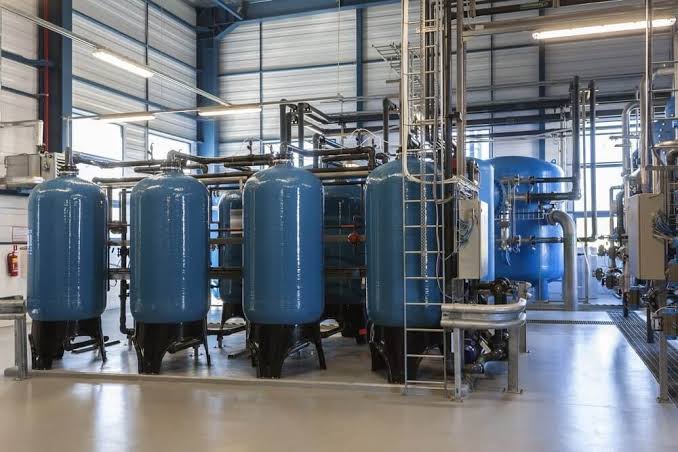
Not every business needs sanitization, deionization, and softening in one package. In some facilities, a softener and sediment filter may address the main issue. Others may need carbon filtration followed by disinfection, while a sensitive industrial process might require deionization and additional polishing stages.
The sequence matters because one treatment step can affect the performance of another. Removing particles before ultraviolet treatment, for instance, may help the UV system work as intended. Softening water upstream of certain equipment can reduce scale-related maintenance. The arrangement should be designed around the incoming water and the required quality at the point of use.
Think about the facility’s daily routine. How much water is needed during peak hours? Can production continue while a treatment unit regenerates or receives service? Is there enough space for equipment, drainage, and safe access? These practical questions are just as important as technical specifications.
Maintenance and Monitoring Keep Things Reliable
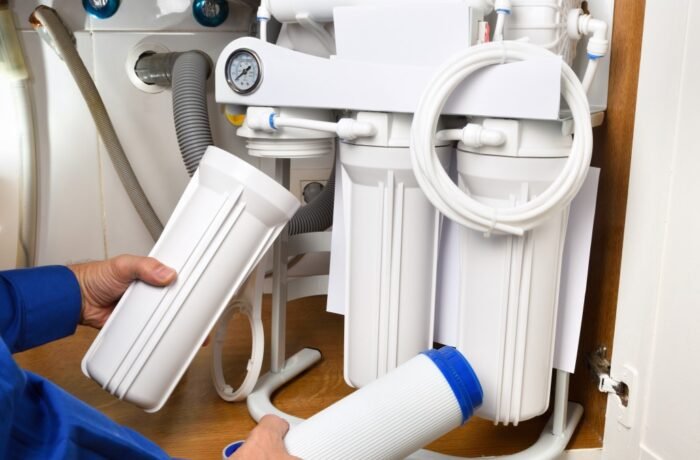
Even a well-designed system needs regular attention. Filters become exhausted, ion-exchange media loses capacity, and disinfection equipment requires inspection. Establish a maintenance schedule that identifies the tasks, replacement intervals, monitoring requirements, and person responsible for each activity.
Keep records of water-test results, service visits, resin or filter changes, and any unexpected changes in pressure or quality. These records make it easier to spot developing problems before they disrupt operations. If the source water changes or a system begins performing differently, reassess the treatment process rather than assuming the original setup will always be sufficient.
Make Water Quality a Business Priority
Reliable commercial water treatment begins with good information and realistic expectations. Test the water, identify the needs of the process, and choose equipment with verified performance for the substances that matter. Consider installation, operating costs, maintenance, and monitoring alongside the initial price.
The best system isn’t necessarily the most complicated one. It’s the system that consistently delivers the water quality your business requires and can be maintained without unnecessary disruption. With careful planning and regular checks, water treatment becomes a dependable part of running a facility—not another problem waiting to interrupt the workday.