Reliable water is easy to take for granted. You turn on the kitchen faucet, fill a glass, start a load of laundry, and carry on with the day. But behind those simple routines is a water supply shaped by local geography, infrastructure, household plumbing, and sometimes the changing conditions of private wells. When something goes wrong, residents often discover that water quality is more complicated than it first appears.
Across northern Indiana, communities have different needs depending on where their water comes from and how it is treated. Some households are mainly concerned about hard water and mineral deposits. Others may notice staining, unpleasant odors, or changes in the appearance of their well water. Understanding these differences is the first step toward choosing a practical solution.
Why Local Water Conditions Matter
Water quality isn’t identical from one town to the next, even when communities are relatively close together. Groundwater passes through local soils and rock formations, picking up naturally occurring minerals along the way. Surface water, meanwhile, may require different treatment approaches because of seasonal changes and environmental influences.
The Michiana region includes communities in northern Indiana and southwestern Michigan, where both municipal water systems and private wells serve residents. That variety makes it important to look at the water source before deciding which treatment equipment might help.
Hardness is a common concern in many households. Calcium and magnesium can create white deposits on showerheads, leave spots on glassware, and make soap less effective. These minerals aren’t generally considered a health threat at typical drinking-water levels, but they can be frustrating to live with. Over time, scale may also affect water-using appliances.
Other issues deserve a closer look. Iron can leave orange or reddish stains, while manganese may cause dark discoloration. Naturally occurring organic matter can give water a yellowish tint, and certain contaminants may be present without changing its taste or appearance at all.
That last point matters. Clear water isn’t necessarily safe water, and a strange appearance doesn’t always reveal the actual cause. Testing is much more dependable than guessing from what comes out of the tap.
What Homeowners Should Know About Well Water
Private wells offer independence from a municipal supply, but they also place more responsibility on the property owner. Water quality can change because of environmental conditions, nearby land use, damaged well components, or problems with the well cap and surrounding drainage.
A well that has supplied a household for years without obvious problems still needs periodic testing. Bacteria, nitrates, and certain chemical contaminants cannot reliably be identified by sight, smell, or taste. Local health departments and certified laboratories can help homeowners determine which tests are appropriate for their location and water source.
If the water suddenly becomes cloudy, develops an unusual odor, or changes color, don’t immediately assume that a softener or filter will solve the problem. First, investigate the cause. A sudden change may indicate a plumbing issue, sediment disturbance, or a contamination concern that needs prompt attention.
For possible microbial contamination, use appropriate testing and follow public health guidance. If results indicate unsafe drinking water, take the recommended precautions until the problem has been addressed. A treatment system should be selected according to the contaminant identified, not simply because it is advertised as a general water purifier.
Choosing the Right Solution in Middlebury and Nearby Areas
Households in smaller towns may have very different plumbing arrangements from those in larger communities. Some properties rely on private wells, while others receive treated municipal water. Even neighboring homes can have different treatment requirements.
In Middlebury Township, as in other communities with varied residential properties, homeowners should begin by confirming their water source and reviewing any available water-quality information. If the home uses a private well, testing can establish a useful baseline. If it relies on a public system, the local water quality report can provide background information, although testing at the tap may still be useful when plumbing-related concerns are suspected.
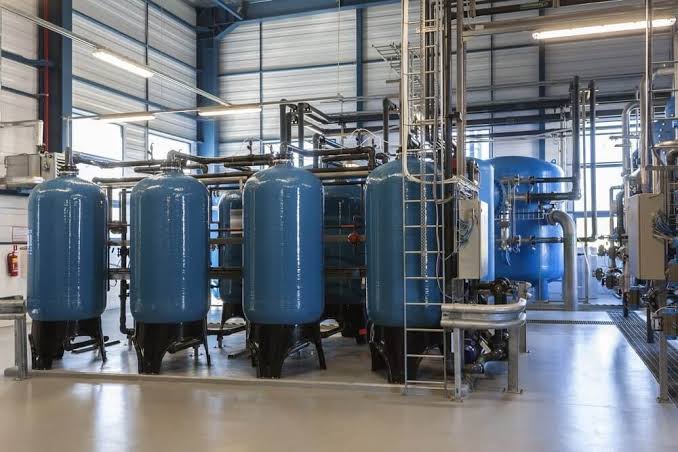
The right treatment depends on the problem. A water softener is commonly used to reduce calcium and magnesium. Sediment filters can capture suspended particles, while activated carbon may improve taste and reduce certain odors or substances, depending on the filter’s design and certification.
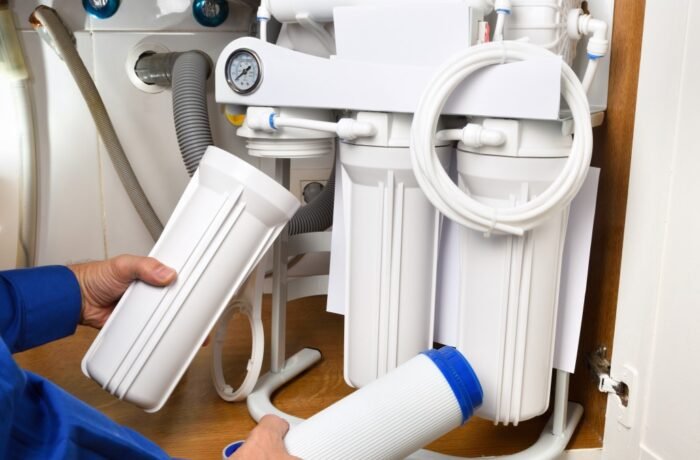
Reverse osmosis is another option for selected drinking-water concerns. These systems can reduce various dissolved contaminants, but performance depends on the specific equipment and the substances being targeted. Ultraviolet treatment may be appropriate for microbial disinfection when properly designed and maintained, though it does not remove minerals or dissolved chemicals.
There isn’t one system that does everything. Combining several treatment stages may be appropriate, but only when each stage serves a clear purpose. Buying equipment before testing can lead to unnecessary costs and disappointing results.
Comparing Needs Across Larger Communities
Water treatment needs can vary across key cities and smaller towns because water sources, infrastructure, housing types, and household demand are not the same everywhere. A family living in a home with several bathrooms may need equipment with a higher flow capacity than a couple in a smaller property. A home supplied by a well may require a different treatment plan from an apartment connected to a municipal system.
For residents comparing options around northern Indiana, practical questions are often more useful than broad claims about a particular location. Does the water leave scale on fixtures? Is there a persistent iron stain? Has a laboratory identified a specific contaminant? Does the system need to serve every tap, or is the main concern drinking water at the kitchen sink?
The answers help determine whether whole-house treatment, point-of-use filtration, or a combination of technologies makes sense.
It is also wise to check local service availability. A system may perform well on paper, but regular maintenance becomes harder if replacement filters or qualified technicians are difficult to find. Ask prospective installers about response times, warranty terms, replacement parts, and the cost of routine service.
Don’t Choose Equipment Based on Price Alone
A low purchase price can be appealing, particularly when several treatment systems seem to offer similar benefits. Still, the equipment cost is only one part of the decision. Installation, replacement media, filter cartridges, salt, electricity, water use, and servicing can all contribute to the long-term expense.
Request a written estimate that explains what each component does and why it is being recommended. Ask for the product’s current specifications and any independent certifications relevant to your water-quality concern. A trustworthy provider should be able to explain the expected results without making unrealistic promises.
Be cautious of claims that a single product removes every contaminant or makes testing unnecessary. Different technologies target different substances, and even a high-quality system has limits. Understanding those limits is part of choosing responsibly.
Maintenance Keeps Water Treatment Working
After installation, maintenance should become part of the household routine. Replace filters according to the manufacturer’s instructions, check softener settings when necessary, and arrange servicing for systems that require it. UV equipment needs particular attention to lamp replacement, cleaning, and proper operation.
Retesting may also be appropriate after treatment installation, especially when the system addresses a health-related contaminant. It provides evidence that the equipment is performing as expected rather than relying on taste or appearance alone.
Keep copies of test results, installation documents, and service records. If water quality changes later, that history can help a technician identify the likely cause more quickly.
A Practical Approach to Better Water
Good water treatment begins with understanding the needs of the household and the characteristics of the local supply. Residents across northern Indiana don’t necessarily need the same equipment, even when they experience similar symptoms. Testing, informed product comparisons, and professional installation can help prevent wasted spending and improve results.
Take the time to identify the issue before choosing a solution. Whether the concern is mineral buildup, staining, unusual taste, or microbial safety, a well-matched treatment plan can make everyday water use more dependable. The goal isn’t to install the most complicated system available. It’s to make a sensible choice that suits your home, your water, and the people who rely on it every day.