

There’s a quiet assumption many of us carry — if water looks clear, it must be clean. It’s one of those everyday beliefs we rarely question. You turn on the tap, fill a glass, and if nothing smells odd or looks cloudy, you don’t give it much thought. But here’s the thing: clarity alone doesn’t tell the whole story.
In reality, some of the most concerning water contaminants are completely invisible. They don’t change color, they don’t float around like debris, and they certainly don’t announce themselves with warning signs. That’s why more homeowners are starting to look beyond appearances and pay attention to what’s actually inside their water.
The Hidden Side of Water Contamination
Water travels a long journey before it reaches your home. Along the way, it passes through soil layers, underground pipes, municipal systems, and sometimes aging infrastructure. Each step adds the possibility of picking up dissolved minerals, metals, or chemical compounds.
Iron, for example, is one of the most common issues in groundwater supplies. While it isn’t always dangerous in small amounts, it can cause staining, unpleasant taste, and long-term plumbing problems. In some areas, it’s so prevalent that homeowners quickly recognize the telltale reddish stains on sinks and fixtures.
This is where specialized filtration becomes essential.
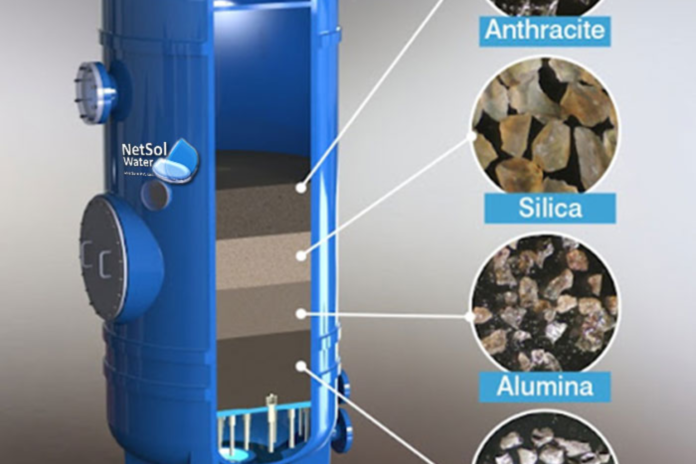
Many advanced systems use iron removal media designed to target dissolved iron particles before they enter household plumbing. Unlike basic filters that focus only on sediment, these media types chemically react with iron, converting it into a form that can be captured and removed effectively.
It’s a fascinating process — almost invisible in action — yet incredibly impactful in everyday use.
Why Filtration Technology Matters More Than Ever
The world of water filtration has evolved significantly over the years. What once relied on simple mesh screens or carbon cartridges has now become a sophisticated blend of science and engineering.
One key factor that determines how effective a filter is lies in its surface area. The greater the contact area between water and filtration material, the more opportunities contaminants have to be captured.
Modern filtration systems often utilize materials with a high filtration surface, allowing water to pass through microscopic channels where impurities become trapped or neutralized. This design dramatically improves performance without slowing down water flow.
Think of it like walking through a dense forest versus an open field — the more obstacles in the path, the more likely something moving through will be stopped.
The Silent Concern: Metals in Water
Beyond iron, other dissolved metals can also find their way into water supplies. Some originate from natural geological formations, while others come from aging plumbing or industrial sources.
Even when present in trace amounts, metals such as lead, copper, or arsenic can pose long-term health risks. The challenge is that they often remain undetectable without proper testing.
Advanced filtration systems specifically designed for heavy metals reduction work by binding metal ions at a molecular level, preventing them from passing into drinking water. These systems often combine multiple filtration stages, each targeting different types of contaminants.
It’s not just about removing visible particles anymore — it’s about addressing what can’t be seen.
Everyday Signs That Filtration Might Be Needed
Interestingly, many homeowners don’t realize they have water quality issues until subtle clues start appearing. Sometimes it’s the metallic taste in drinking water. Other times, it’s soap that refuses to lather properly or laundry that comes out with unexpected discoloration.
These signs often seem minor at first. You might shrug them off or assume they’re temporary. But over time, they can indicate deeper underlying water concerns.
Staining on fixtures, persistent odors, or scale buildup on appliances can all point toward dissolved minerals or metals in water supplies.
Addressing these issues early can prevent more costly problems later — including pipe corrosion or appliance damage.
The Long-Term Value of Clean Water
Investing in proper water filtration isn’t just about improving taste or appearance. It has a ripple effect across many aspects of daily life.
For one, cleaner water helps extend the lifespan of plumbing systems. Mineral deposits can gradually accumulate inside pipes, reducing flow efficiency and increasing maintenance needs. Removing these contaminants keeps water systems functioning smoothly.
There’s also the personal comfort factor. Bathing in properly filtered water often feels noticeably different — gentler on skin and hair, and free from the subtle dryness caused by mineral-heavy water.
Even cooking can benefit. Clean water enhances the natural flavor of food and beverages, something many people don’t fully appreciate until they experience the difference.
A Growing Awareness Among Homeowners
In recent years, there’s been a noticeable shift in how people think about water quality. It’s no longer viewed as a luxury concern but as a fundamental aspect of home health and sustainability.
Homeowners today are more informed than ever. They’re asking questions, testing water supplies, and seeking filtration solutions tailored to their specific needs rather than relying on one-size-fits-all systems.
This awareness reflects a broader understanding — that water quality directly influences everything from personal well-being to household efficiency.
The Quiet Confidence of Safe Water
At the end of the day, perhaps the greatest benefit of effective water filtration is peace of mind. Knowing that the water flowing through your home is not only clear but genuinely clean brings a level of confidence that’s hard to quantify.
It’s one less thing to worry about in a world that often feels full of uncertainties.
And maybe that’s why water quality matters so deeply. It’s not just about technology or filtration media or chemical processes. It’s about trust — trust in something we rely on every single day without even thinking about it.
When that trust is supported by thoughtful filtration, science, and awareness, something simple like turning on the tap becomes quietly reassuring.
Because sometimes, the clearest water isn’t the one you see — it’s the one you know is truly safe.

