Water has a way of becoming part of the background. We use it to cook dinner, wash clothes, water plants, and clean up after a busy day without giving much thought to what happens before it reaches the tap. Then a water bill arrives that seems unusually high, a leak appears beneath the sink, or the garden starts looking thirsty despite regular watering. Suddenly, something we barely noticed becomes a problem that needs attention.
Managing water well isn’t simply about using less. It’s about understanding how water moves through a home, where waste occurs, and which improvements will make everyday life easier. With a little planning, homeowners can often reduce unnecessary use, protect their plumbing, and make more informed decisions about the systems they rely on.
Small Changes Can Make a Noticeable Difference
You don’t need a major renovation to start improving water use. Sometimes the best place to begin is with the habits and fixtures you already have. A dripping faucet may seem harmless, especially when the drops fall slowly, but small leaks can waste a surprising amount of water over time. Running the dishwasher only when it’s full, fixing a leaking toilet, and turning off the tap while brushing your teeth are simple steps that add up.
It’s also worth checking how efficiently water is being used outdoors. Watering a lawn during the hottest part of the afternoon can lead to greater evaporation, while poorly adjusted sprinklers may send water onto sidewalks instead of the garden. Watering early in the morning, checking sprinkler coverage, and choosing plants suited to the local climate can help reduce unnecessary demand.
The goal of smart water management is to make these decisions more deliberate. That might mean tracking monthly water use, setting irrigation schedules, or installing sensors that identify unusual flow. Technology can help, but it works best when paired with practical habits. Even a basic record of water bills can reveal patterns that would otherwise go unnoticed.
Understand Where Water Is Going
Before investing in new equipment, take time to understand your household’s water use. A sudden increase in consumption may be linked to seasonal gardening, extra guests, an inefficient appliance, or a leak that isn’t immediately visible. Comparing bills over several months can help distinguish a one-time change from a persistent issue.
If your utility provides an online account or usage dashboard, explore it. Some services show consumption by billing period, while smart meters may offer more frequent readings. A sudden rise during a period when no one is using water can be a reason to investigate. If the meter continues registering flow when all taps and water-using appliances are switched off, a leak may be present.
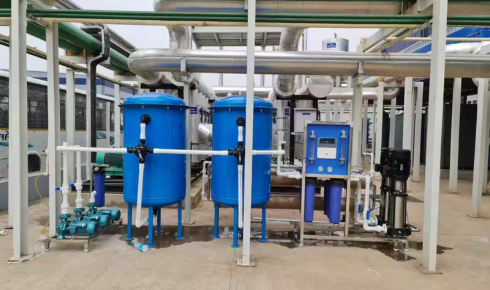
Not every household needs an elaborate monitoring system. A few careful checks can identify obvious problems, and a qualified plumber can investigate issues that aren’t easy to locate. For more complex properties, especially those with irrigation systems, water tanks, or multiple buildings, monitoring tools can provide a clearer picture of how water is being distributed.
It helps to treat the information as a guide rather than a reason to worry about every litre. The point is to spot waste and make sensible adjustments, not to turn ordinary household routines into a constant calculation.
Design Improvements Around Real Needs
Water systems should fit the way a property is actually used. A large household with several bathrooms may need different plumbing capacity from a small apartment, while a property with an extensive garden may benefit from separate irrigation controls. The most effective improvements take these differences into account instead of relying on a standard package for every home.
Good planning often begins with the details people overlook. Are outdoor taps easy to access? Is the irrigation controller placed somewhere convenient? Can a leak sensor be installed near the water heater or washing machine? Are shut-off valves accessible when an emergency occurs? These questions may not sound exciting, but the answers can make a real difference when something goes wrong.
An innovative design approach considers convenience, reliability, and future maintenance together. For example, a well-planned irrigation layout can deliver water where plants need it without repeatedly soaking paths or driveways. A sensor-based shut-off system may help limit damage if a significant leak develops. The right choice depends on the property, the budget, and how much control the homeowner wants.
It’s wise to avoid buying technology simply because it looks impressive. Check whether the product works with your existing plumbing, whether it needs a stable internet connection, and how it behaves if power or connectivity is lost. Useful technology should make the system easier to manage, not create another source of frustration.
Don’t Overlook Plumbing and Equipment Maintenance
Efficient water use depends on equipment that works properly. A toilet with a worn internal valve can waste water quietly for weeks. A damaged hose connection may leak behind an appliance, and an irrigation line can develop a crack that remains hidden beneath soil or mulch.
A simple inspection every few months can catch some of these issues early. Look under sinks, around the water heater, behind the washing machine, and near outdoor connections. Watch for damp patches, corrosion, mineral deposits, or unexplained changes in water pressure. If you suspect a concealed leak, arrange a professional inspection instead of opening walls or digging without a clear plan.
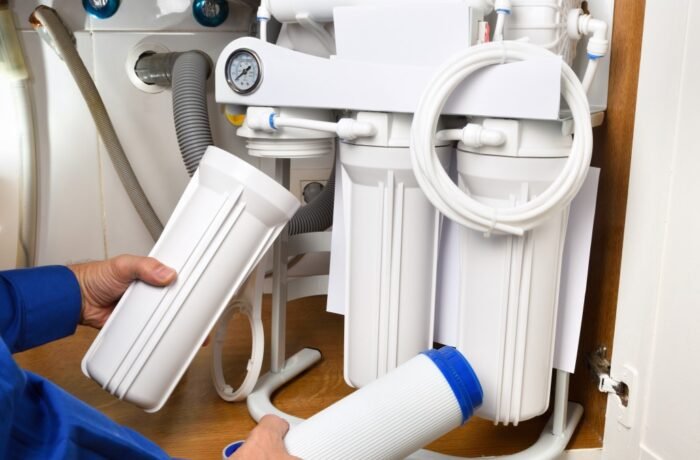
Maintenance is also important for water-saving fixtures and monitoring devices. Aerators can become clogged, filters may need replacement, and sensors should be tested according to the manufacturer’s instructions. An installed device isn’t much help if its batteries are flat or its alerts are being ignored.
When choosing equipment, read the installation and maintenance requirements before purchasing. A product with a low price may require frequent servicing or specialised replacement parts. Looking at the full ownership cost gives you a more realistic idea of its value.
Know What the Warranty Actually Covers
Warranty terms are easy to overlook when a product seems well suited to your needs. Yet they can matter considerably when buying plumbing equipment, leak detection devices, or water-management technology. Coverage varies by manufacturer and product, so it’s worth reading the documentation rather than relying on a short phrase in an advertisement.
A limited lifetime warranty may sound comprehensive, but the word “limited” matters. It can cover certain components for as long as the original purchaser owns the product, while excluding normal wear, improper installation, misuse, or damage caused by other factors. Labour, shipping, and replacement installation may not be included.
Before making a purchase, check how a claim is submitted, whether proof of purchase is required, and whether the warranty can be transferred if you sell the property. Also find out whether regular maintenance is required to keep coverage valid. Keep receipts, product information, and service records somewhere easy to find.
A warranty is useful protection, but it shouldn’t replace a careful assessment of product quality, suitability, and support. A system that meets your needs and can be maintained locally may prove more valuable than one with impressive-sounding coverage but limited practical support.
Build Better Water Habits for the Long Term
Managing water doesn’t require perfection. Some months will involve more gardening, guests, or laundry than others. What matters is developing a clearer understanding of how your home uses water and responding when something seems out of the ordinary.
Start with the basics: repair leaks, review water bills, maintain appliances, and adjust outdoor watering to suit the weather. Then consider whether monitoring tools or system upgrades would solve a specific problem. Make changes gradually, and pay attention to whether they actually improve efficiency or convenience.
Water is too important to manage through guesswork alone, but the answer doesn’t have to be complicated. A thoughtful combination of everyday habits, suitable equipment, and regular maintenance can help protect your home while reducing avoidable waste. Over time, those small decisions become part of a more comfortable and responsible way of living.