Running a business means keeping track of countless moving parts. Equipment needs to work, employees need the right resources, and customers expect consistent service. Water quality might not seem like a major concern until a clogged pipe, unreliable boiler, or poorly performing dishwasher interrupts an otherwise productive day.
For businesses exploring commercial & industrial water treatment solutions, investing in suitable equipment can help address recurring water quality problems, support operational efficiency, and reduce avoidable maintenance requirements.
Whether you manage a restaurant, manufacturing facility, hotel, or office building in Aledo, Texas, understanding the role water plays in your daily operations is worth the effort. Sometimes, improving what’s flowing through your pipes can resolve problems you’ve been managing for years.
Why Commercial Water Requirements Are Different
A household might use water primarily for bathing, cooking, and cleaning. Commercial properties, however, often depend on water for activities that are directly connected to revenue and productivity.
Restaurants need water for food preparation and dishwashing. Hotels rely on it for laundry and guest amenities. Manufacturing facilities may require carefully controlled water quality for production processes and equipment cooling.
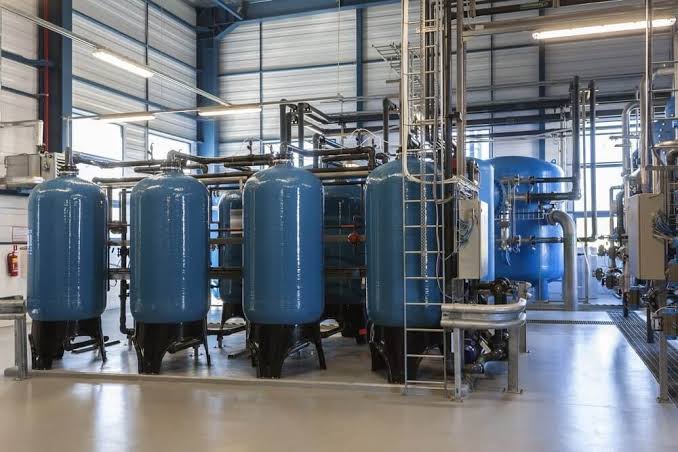
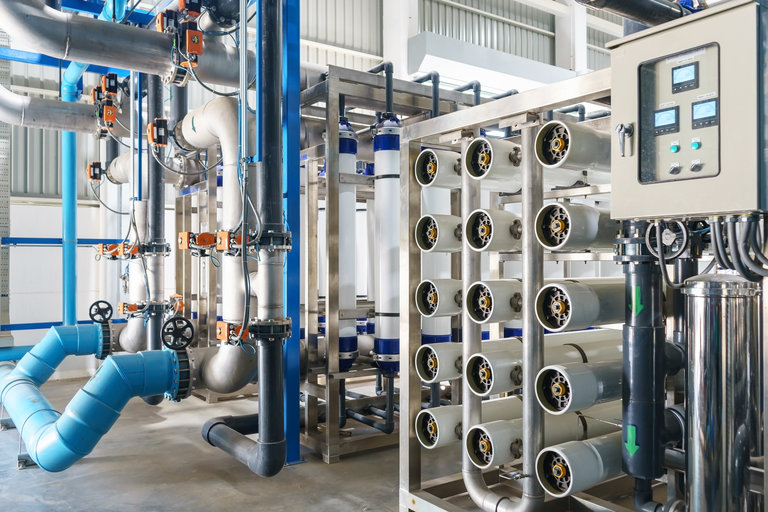
Appropriately designed industrial water filtration systems help address specific contaminants and suspended materials according to the requirements of each facility.
The challenge is that commercial water demand can fluctuate considerably throughout the day.
Equipment must accommodate these changes without creating unnecessary disruptions. That’s why understanding peak usage and process requirements is just as important as identifying water quality concerns.
How Poor Water Quality Can Affect Your Bottom Line
A business doesn’t necessarily experience the financial impact of unsuitable water quality all at once. More often, expenses accumulate gradually through maintenance calls, equipment repairs, and additional cleaning responsibilities.
Investing in appropriate water treatment for business operations can help manage some of these underlying problems before they contribute to further operational difficulties.
Excessive hardness, for example, may encourage mineral scale formation inside water-heating equipment. Suspended particles can accumulate within valves, plumbing connections, and equipment inlet screens.
These problems might initially seem minor. But when equipment operates for several hours every day, even small inefficiencies deserve attention.
Business owners who understand their water conditions are better positioned to make informed decisions about maintenance and equipment investments.
Finding the Right Combination of Treatment Technologies
There’s no single filtration system that addresses every commercial water quality concern. Different technologies exist because different businesses require different treatment outcomes.
Sediment filtration helps capture suspended particles, while activated carbon can reduce chlorine and certain organic substances.
Conventional water softeners address dissolved calcium and magnesium, helping limit hardness-related scale formation.
Reverse osmosis may be suitable for processes requiring reduced concentrations of dissolved substances, depending on the system’s verified capabilities.
In some facilities, several treatment methods need to work together.
A restaurant might benefit from softening for dishwashing equipment and separate filtration for beverage preparation. A manufacturing operation, meanwhile, may require more specialized treatment based on its production specifications.
The best arrangement begins with understanding the job each system needs to perform.
Maintaining Consistency During High-Demand Periods
Picture a busy restaurant on a Friday evening. The dishwasher is running continuously, meals are being prepared, and customers are ordering drinks faster than usual.
This is hardly the time for inadequate water flow or unexpected equipment interruptions.
Commercial treatment systems should be sized according to realistic operating conditions, including periods of unusually high demand.
For facilities requiring uninterrupted softened water, alternating twin-tank systems may offer practical advantages by allowing one tank to remain in service while the other regenerates.
Flow capacity, incoming pressure, storage requirements, and treatment recovery times should all be considered.
A well-planned system supports the pace of your business rather than forcing your business to work around its limitations.
Reducing Waste Without Compromising Performance
Water consumption represents an ongoing expense for many commercial and industrial properties. Treatment equipment can introduce additional operating requirements through regeneration, backwashing, or membrane separation.
Choosing efficient equipment and configuring it appropriately can help manage unnecessary resource consumption.
Demand-based regeneration, for instance, may reduce unnecessary softener cycles compared with fixed schedules under certain operating conditions.
Businesses using reverse osmosis should also evaluate documented recovery rates and concentrate discharge requirements.
However, efficiency improvements shouldn’t compromise the water quality required for equipment operation, production, or customer service.
Finding the right balance requires a clear understanding of both financial priorities and technical requirements.
Why Professional Planning and Ongoing Maintenance Matter
Commercial water treatment is rarely a purchase-and-forget investment. Equipment requires regular inspections, replacement components, and occasional adjustments as operating conditions change.
When consulting a provider such as Elders Water, discuss incoming water chemistry, facility demand, equipment specifications, and anticipated maintenance expenses.
Ask how treatment performance will be monitored and what servicing arrangements are available.
For businesses with specific process-water or drinking-water requirements, appropriate testing helps verify that equipment continues meeting the necessary quality objectives.
Planning maintenance around quieter operating periods can also help minimize disruption.
It’s considerably easier to schedule preventive servicing than deal with an unexpected equipment failure during your busiest business hours.
Building a Stronger Business With Better Water Management
Reliable water quality may not be the most glamorous aspect of running a successful business, but its practical importance is difficult to ignore.
For commercial and industrial properties in Aledo, Texas, thoughtfully selected treatment equipment can support consistent operations, equipment maintenance, and responsible resource management.
Start by understanding your facility’s water requirements. Then choose treatment technologies that address measurable concerns and establish a realistic servicing routine.
A business runs more smoothly when its essential resources are dependable. Water is certainly one of them.
And when your equipment can do its job without recurring water-related interruptions, you’re free to concentrate on what matters most — serving customers, supporting employees, and growing your business.