
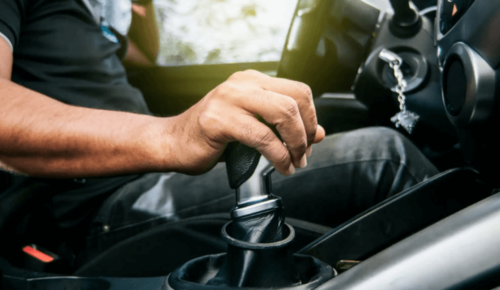

When your Volkswagen does not shift gears, when it seems slippery, hesitant, or slow to do so, it is a disturbing feeling. Slipping transmissions may cause unpredictable acceleration, less power delivery, and even internal component damage in the long run, in case of neglect. The knowledge of the root causes, some of which are not so easily visible, such as pest damage, will help you act in the right direction before the problem runs out of control.
What a “Slippery” Transmission Really Means
In case a transmission is slipping, it is very likely that it is not engaging gears. Simply put, the engine of the car starts revving, but the car does not respond easily, sometimes changing gear late, not responding between the gears and even giving the impression that it is free-spinning temporarily. That behaviour implies that your transmission is not transferring power efficiently through the engine to the wheels.
This symptom can manifest itself in both automatic and DSG gearboxes, and is a fairly common indicator that something in the system is not working as intended (be it fluid, internal components or even electrical controls) for the drivers of Volkswagen.
Common Mechanical Causes of Slipping Transmission
Low or Contaminated Transmission Fluid
Transmission fluid is used in several functions: it greases moving components, gives the system hydraulic pressure to shift, and also assists in cooling the system. When the fluid is low, or it is old and contaminated fluid, internal pressures become low, causing slippage or slow engagement of gears. One of the symptoms that is prevalent is an increase in engine revs, but a lack of acceleration.
Leaks can lead to low fluid, which includes worn-out seals, lines or gaskets, and ought to be inspected frequently.
Worn Internal Components
Transmissions are based on the friction components such as clutch packs, bands and planetary gears to engage and disengage gears. As time goes by, these components wear out. Frayed and worn-out bands or clutch material may lose their grip, allowing gears to slide rather than lock with each other. This is mostly prevalent in high-mileage cars.
Faulty Solenoids, Sensors or Electronic Controls
The contemporary Volkswagen transmissions, such as the DSG systems, have electronic control modules and solenoids to control fluid flow and shifting. Malfunctioning sensors or solenoids may interfere with shifting logic, resulting in hesitation, slipping or inconsistent gear shifts.
These electrical problems might cause warning lights on the dashboard, and in most cases, they need diagnostic scanning in order to be identified.
Torque Converter Issues
The torque converter is the mechanical connection of your engine and the transmission of the automatic vehicle. Once it fails or cannot lock up well, power transfer becomes inefficient, which is experienced as slipping or loss of power when accelerating.
How Rodent Activity Can Impact Your Transmission
When considering a transmission problem, most drivers do not consider pests, but such animals as mice and rats can also be the cause of the shifting problem indirectly. Rodents occasionally nest in engine bays or gnash at wiring harnesses – including transmission control, sensor cables, etc.
Although rodent damage does not directly change the inner workings of a gearbox, it is capable of interfering with electrical signals or fluid lines, which affect transmission behaviour. Cases have been documented where rodents chew vehicle wiring, and this may consist of systems that are sensor-controlled and modules, and gear-shift logic is one of those.
In the same way, when rodents chew on wiring associated with transmission fluid temperature sensors or solenoid control, the transmission control could get incorrect data and send abnormal shifting or slipping sensations. Even though this reason is not as prevalent as the lack of fluid or worn-out parts, it is a plausible factor, in particular, in older cars or those that are parked outside.
Also worth mentioning is that rodents, which may infest the system otherwise, can harbour other smaller creatures or insects in the wiring or seals, thus posing additional danger to electrical components. Rodent control, on the contrary, will not repair mechanical damage but will help avoid external damage that makes diagnosis and repairs harder.
For unrelated pest issues like insects, a person can hire a cockroach controlexpert to help ensure that other areas of their car or home are not infested with insects. But the transmission is not directly interconnected with pests.
Steps to Fix a Slipping Transmission
1. Stop Driving and Inspect Fluid Levels
If you notice slipping or hesitation, stop driving and check the transmission fluid level (if your vehicle has a dipstick). Coolant is never a replacement – transmission oil must be bright red when new. Low, dark, and burnt fluid levels cannot be neglected. One of the most frequent causes of the slipping of the gear is low fluid, which may become aggravated.
2. Have a Scan and Diagnostic Test
Contemporary cars archive diagnostic codes that deal with the performance of the transmission. A professional scan is able to identify sensor, solenoid or electronic problems that are possibly causing unpredictable shifting. Problems with the software in the transmission control module can also be revealed.
3. Visit a Qualified Mechanic
Such issues as the wear of the clutch packs, torque converter or internal band wear need special attention. Taking your car to a skilled european Car Service centre Sydney will guarantee that you have the appropriate parts that are tested and that they are repaired. Repairs can be fluid flushes, solenoid repair, gasket and seal repair, or, in the worst case scenario, internal transmission parts can be rebuilt.
4. Address Any Pest-Related Signs
Rodent control should be included in your inspection plan in case you suspect that rodents have been at work around your engine bay – nesting materials, chewed wires or electrical gremlins that could not be explained. Damage to wiring or sensors, which may be indirectly caused by pests, is avoided by ensuring that the pests are cleared and prevented.
Wrap-Up: Prioritise the Problem Before It Worsens
Slipping of transmissions cannot be overlooked. A small hesitation or delayed movement can escalate to a significant transmission failure with an expensive fee to repair or replace. Early intervention- checking of fluids, diagnostic scans and professional repairs go a long way in improving the outcomes and increasing the life of your vehicle’s transmission.
Poor changing indicators do not self-correct. A timely solution to the problem that includes both mechanical inspection and pest control is likely to guarantee that your Volkswagen will shift smoothly for years to come.
FAQs
Q: Why does my Volkswagen’s transmission feel slippery when accelerating?
A slippery transmission usually means the gears aren’t fully engaging, which can result from low fluid levels, worn internal parts, or electronic control issues.
Q: Can low transmission fluid cause slipping?
Yes. Transmission fluid provides lubrication and hydraulic pressure. If it’s low or degraded, slipping and delayed shifting often follow.
Q: Do pests really affect transmission performance?
Rodents can chew wires or cables that indirectly affect transmission sensors or electrical controls, making irregular shifting more likely. While not a primary cause, pest-related damage can complicate diagnostics.
Q: Should I keep driving with a slipping transmission?
No. Continuing to drive can cause further internal damage and increase repair costs. Stop driving and have the issue inspected as soon as possible.
Q: What does a failing torque converter feel like?
A failing torque converter can cause slipping, hesitation during acceleration, and loss of power. It often becomes noticeable at highway speeds or during gear changes.

